
Moving your business is not just about getting from one place to another. Your equipment, files, furniture, and work all need to move safely. The wrong moving company can lead to delays, damaged items, and unexpected costs. So what should you look for in a commercial moving company? A bad mover can delay your opening day.
Start with the basics. Check their experience, licensing, insurance, pricing, and customer reviews. You should also know what questions to ask before signing a contract. This guide covers the key things to look for in a commercial moving company. By the end, you will have a clearer idea of what makes a mover reliable and what red flags to avoid.
What Should You Look for in a Commercial Moving Company?
Look for proper licensing, solid insurance, real experience, and clear pricing. A good mover also has trained staff and modern equipment. These basics protect your business from damage, delays, and hidden costs during the move. A commercial mover should also show you references and a written contract before you sign anything.
Businesses have a lot at stake during a move. Office equipment, files, and furniture all need careful handling. A commercial mover deals with bigger loads and tighter deadlines than a home mover. That is why this checklist matters so much for any business owner planning a relocation. Skipping even one point on this list can create a costly problem later, so it pays to check each factor before you commit to a moving company.
Why This Decision Matters for Your Business
Hiring the right commercial moving company affects more than just boxes and trucks. It shapes how fast your business recovers and how smooth the whole transition feels for your team.
Faster recovery time: A skilled crew gets your office set up quickly, so staff can return to normal work within a day instead of a week.
Protected reputation: Missed deliveries or damaged goods can upset clients, but a reliable mover keeps your promises to customers intact.
Lower repair costs: Careful handling means fewer broken monitors, desks, or servers, which saves your business unexpected replacement expenses.
Better employee morale: A calm, organized move reduces stress on staff, who already feel uncertain during any office relocation.
Stronger long-term trust: A good moving partner can support future expansions or relocations, saving you research time down the road.
Check Their Experience in Commercial Moves
Experience tells you a lot about a moving company. A team that has handled office moves before knows how to pack electronics safely and plan around tight deadlines without slowing down your business. They also understand the difference between moving a small office and relocating a full warehouse, which changes how they plan equipment, staffing, and timing.
Ask how many years they have been in business and how many commercial moves they complete each year. Ask if they have handled moves similar to yours, since a law firm move is very different from a warehouse move. A team with relevant experience solves problems faster and reduces the risk of costly mistakes on your moving day. Experienced crews also plan better around tricky spots like narrow hallways, small elevators, or limited parking near loading docks.
Confirm Proper Licensing
A commercial mover must be properly licensed to operate legally in your area. This protects your business if a dispute or damage claim comes up later during or after the move. Working with an unlicensed company can leave you with no legal protection if something goes seriously wrong.
Ask for license numbers and confirm them through your local transportation authority. Most regions keep a public database of registered movers, and checking this only takes a few minutes of your time. A legitimate company shares this information without hesitation and can prove it through public records. If a moving company avoids the question or gives vague answers, treat that as a serious warning sign worth taking seriously before you move forward.

Look for Solid Insurance Coverage
Insurance covers your equipment if something breaks during transport. Without it you could end up paying for the damage yourself, which can be a costly surprise for expensive office equipment like servers or specialized machinery. This is one of the most important checks on the entire list.
Ask what type of coverage the company carries before you sign anything. Basic coverage pays out very little per item, often based on weight rather than actual value. Full value protection covers the actual replacement cost, which matters more for expensive office equipment and electronics. Read the policy details carefully, including deductibles and claim limits, so you know exactly what is covered if damage happens during your move.
Review the Range of Services Offered
A good commercial mover offers more than just loading and driving. Here are some extra services worth checking before you sign a contract. A full-service provider can save you the hassle of coordinating with multiple vendors.
Packing and unpacking help: Professional packing protects fragile items like monitors and glass, and it saves your staff hours they could spend on actual work.
Furniture disassembly: Desks and cubicles often need to be taken apart and reassembled without losing screws or damaging any parts along the way.
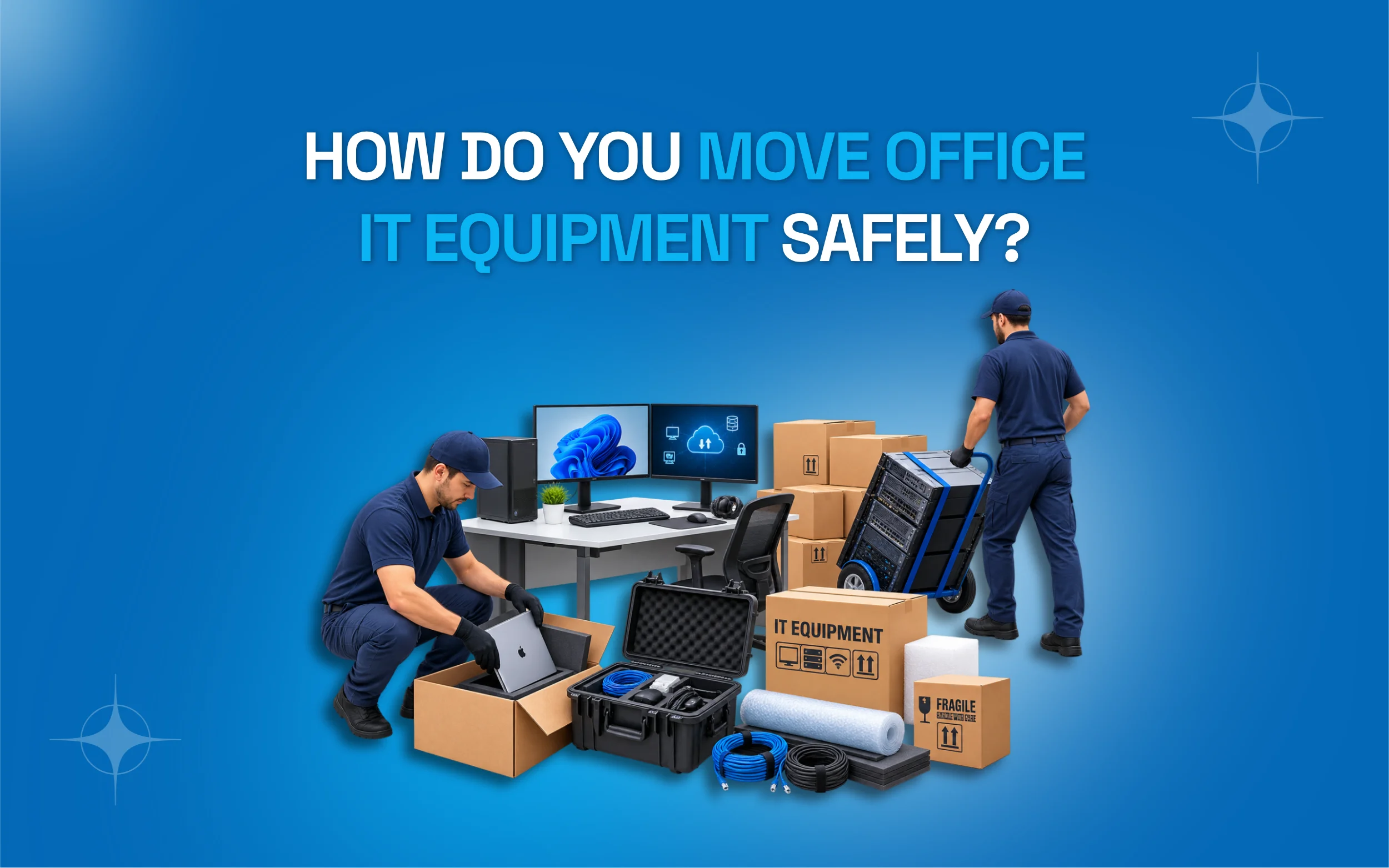
IT equipment handling: Servers and computers need padded cases and careful loading to avoid data loss or expensive hardware damage during transport.
Storage solutions: A mover with storage options gives you flexibility if your new space is not fully ready when the move date arrives.
Inventory tracking: This keeps your move organized so you know exactly where every box and item ends up in the new location.
Ask About Transparent Pricing
Pricing confusion is one of the biggest complaints in the moving industry. A trustworthy company gives you a clear written quote covering every charge, from packing fees to fuel costs, so nothing surprises you on the final invoice. This transparency is a strong sign that the company runs a professional and honest operation.
Ask if the quote is binding or just an estimate before you agree to anything. A binding quote means the price will not change unless you add extra services beyond the original agreement. Be careful with vague phone quotes given without the company actually seeing your space, since these often lead to price increases later. Always compare quotes from two or three companies before deciding, since this gives you a realistic sense of fair market pricing for your specific move.
Check Equipment and Fleet Quality
Old trucks and worn tools increase the risk of damage to your office items during loading, transport, and unloading. Modern equipment and well-kept trucks are a good sign of a professional operation that takes its work seriously.
|
Factor |
Signs of a Good Mover | Signs of a Risky Mover |
| Trucks | Clean, well-maintained fleet |
Old, rusty vehicles |
|
Packing tools |
Proper padding and straps | Reused, torn boxes |
|
Staff training |
Certified, experienced crew |
Untrained temporary workers |
| Equipment | Dollies, lifts, and ramps |
Missing basic tools |
Ask to see photos of their trucks or visit their warehouse if possible before you commit to a contract. A company confident in its equipment will not hesitate to show you around.
Evaluate Staff Training
Trained movers know how to lift and secure items the right way, which lowers the chance of damage or injury on moving day for both your equipment and their own crew members.
Ask if the crew receives regular training on packing methods and equipment handling. Ask if staff are full-time employees or temporary hires brought in just for busy periods. Full-time trained crews usually work more carefully during a busy move. They also communicate better because they know the company’s work and safety rules.
Research Reputation and Reviews
Online reviews reveal patterns that a sales pitch will never show you. Check Google reviews, Better Business Bureau ratings, and social media comments before you make any final decision on which company to hire. Look for repeated complaints, not just one bad review, since every company will have an occasional unhappy customer. Ask the company for references from past business clients, and a confident mover will connect you with a few without hesitation. Talking to a real client who went through a similar move gives you honest insight that a polished website simply cannot provide.
Local Movers vs National Movers
Choosing between a local company and a national chain depends on your specific move. Both have strengths worth weighing before you decide which one fits your business needs best.
|
Point |
Local Movers | National Movers |
| Pricing | Often more affordable |
Can be pricier |
|
Area knowledge |
Strong local route knowledge | Wide coverage across states |
|
Flexibility |
More personal service |
Standard procedures |
| Best for | Local or regional moves |
Multi-state or branch moves |
Think about how far you are moving before you choose a company. A local office move needs different services than a company moving to another state.
Watch for These Red Flags
Some warning signs show up early if you know what to look for during your first contact with a moving company. Spotting these red flags before you sign a contract can save your business from a costly and stressful experience.
No physical address: A legitimate mover has an office or warehouse you can visit or verify online through public records.
Large upfront deposit: Be cautious if a company asks for a big cash deposit before any work has actually started.
Vague contract details: A contract missing dates, costs, or listed services is a serious red flag worth avoiding entirely.
Poor communication: Unanswered calls or slow replies before you even sign usually mean worse service later during the move.
Unmarked trucks: No branded vehicles or uniforms on staff can signal an unlicensed or unprofessional operation.

Questions to Ask Before You Hire
Prepare these questions ahead of time so you can compare movers fairly instead of guessing based on price alone. Write down each answer so you can compare companies side by side later.
Are you licensed and insured for commercial moves? This confirms legal operation and protects your business from liability during the entire process.
Can I get a written binding quote? This avoids confusion and protects you from surprise charges appearing on your final invoice.
How do you handle sensitive equipment? This shows if they have real experience with electronics, machinery, and other delicate office items.
What is your claims process for damage? Knowing this in advance saves stress if something breaks during transport or handling.
Do you offer weekend moving? Many businesses need to move without stopping daily operations during regular working hours.
Why Specialized Commercial Movers Matter
Choosing the right team affects how fast your business gets back to normal after the move is complete. A skilled crew protects your equipment and keeps your staff stress-free during the entire transition period.
If you want a team built for this kind of relocation, commercial moving services bring the equipment, training, and experience a business move actually needs. A dedicated commercial team understands deadlines and equipment handling far better than a general mover, and that difference shows up clearly on the actual moving day.
Build a Moving Timeline
A clear timeline keeps small tasks from piling up at the last minute and stops your move from turning into a stressful scramble. Sharing this timeline with your whole team keeps everyone on the same page from the very start.
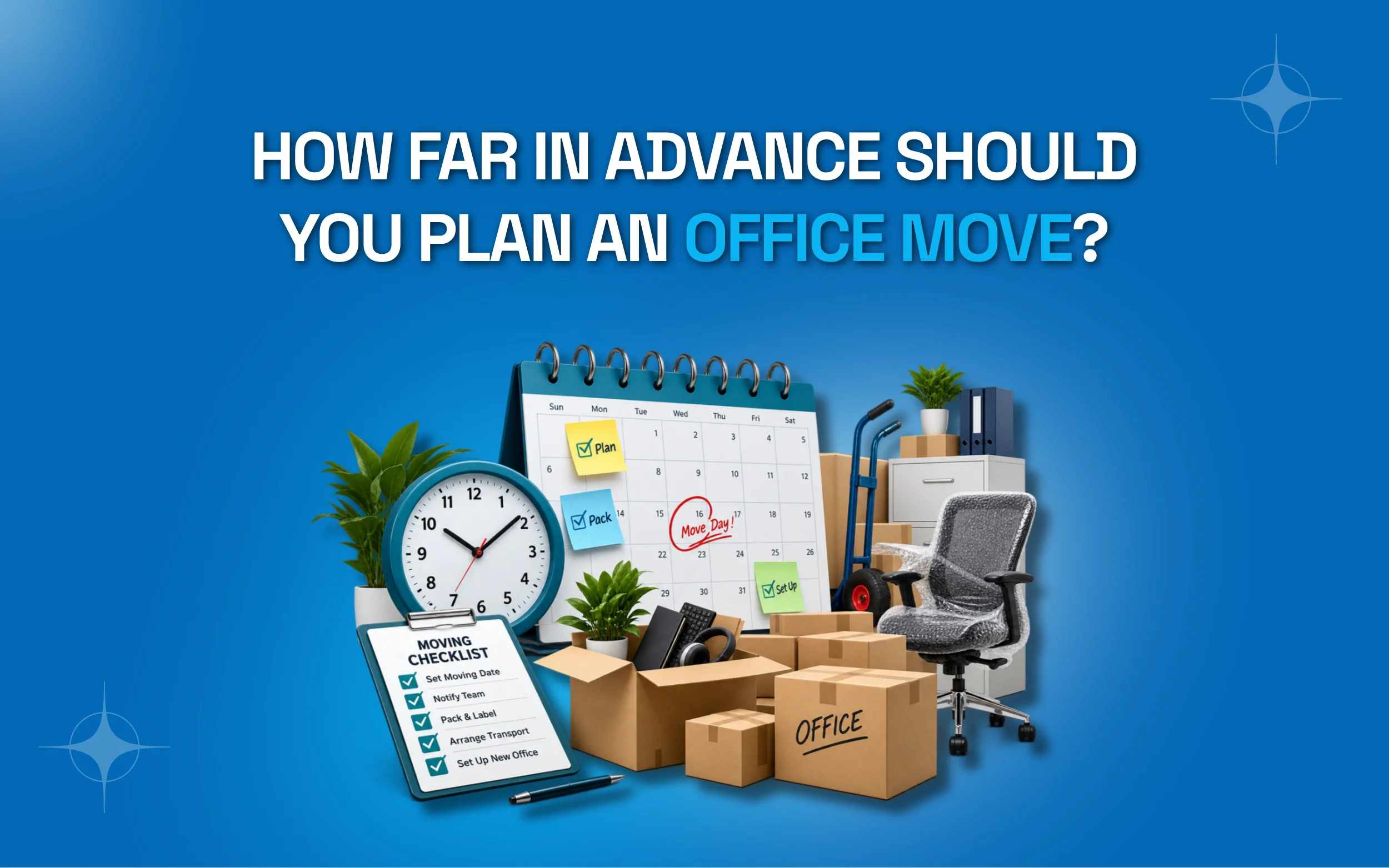
8 weeks before: Pick a move date and start collecting quotes from a few different moving companies.
6 weeks before: Create a floor plan for the new space and share it with your entire team.
4 weeks before: Begin packing non-essential items and label every single box by department.
2 weeks before: Confirm internet and phone setup at the new location and test everything twice.
1 week before: Pack desks and personal items, and back up all important company files.
Set a Realistic Budget
A commercial move can get expensive fast without a clear budget in place from the very start. Get at least three quotes and compare what each one actually includes, since the cheapest option is not always the best value. Ask about extra charges for stairs, elevators, or long carry distances between the truck and the building entrance. Set aside a small buffer for unexpected costs, since moving day rarely goes exactly as planned no matter how well you prepare. Break your budget into categories like packing, labor, transport, and insurance so nothing gets missed when you review the final invoice.
Prepare Your Employees Early
A move affects your whole team, not just management making the final decisions. Clear communication keeps the process calm and organized on the actual moving day itself. Send an email a few weeks ahead explaining the new location and expected timeline for the move. Tell staff clearly what to pack themselves versus what the movers will handle on their own. Assign a few team leads to answer coworker questions so the whole process feels organized rather than chaotic and confusing.
Set Up the New Office Before You Arrive
A little preparation at the new site saves hours of confusion once the trucks show up on the actual moving day. Confirm utilities, internet, and security systems are active before your team walks through the door. Create a floor plan and share it with your moving company so their crew knows exactly where to place items. Label doorways and rooms to match the plan so movers do not need to guess. This small step cuts down on wasted time and unnecessary heavy lifting later once boxes start arriving in bulk.

Avoid These Common Moving Mistakes
Many businesses repeat the same avoidable mistakes during relocation, and knowing them ahead of time helps you steer clear of unnecessary stress and added cost.
Booking too late: Popular movers get booked fast, especially during busy seasons like summer or the end of the month.
Skipping an inventory list: Without one, it becomes hard to confirm that every single item arrived safely at the new office.
Ignoring insurance details: This can leave your business paying full price out of pocket for any equipment damaged in transit.
Choosing the cheapest quote blindly: A low price sometimes means fewer included services or hidden fees added later.
Compare Multiple Quotes the Right Way
Do not just compare the bottom line number when reviewing quotes from different companies. List every service included in each quote before making your final decision on who to hire. A slightly higher quote that includes packing materials and insurance may actually save you money compared to a cheaper quote missing those extras entirely. Check the cancellation and rescheduling policy too, since business plans can change closer to the actual move date. Pay attention to how the company communicates with you. If they answer your questions clearly before the move, they will likely communicate well on moving day too.
How to Compare a DIY Move vs Hiring Professionals
Some businesses consider handling the move themselves to save money on labor costs. This rarely works out well for anything beyond a very small office with minimal equipment.
|
Factor |
DIY Move | Professional Movers |
| Time needed | High |
Low |
|
Risk of damage |
Higher | Lower |
|
Staff involvement |
Full team pulled from work |
Minimal disruption |
| Insurance coverage | Often none |
Usually included |
A professional commercial moving company brings tools, manpower, and experience that most in-house teams simply do not have on hand.
Assign a Move Coordinator
One person should own the entire process from start to finish to keep everything organized. Without a clear leader, small but important tasks slip through the cracks during a busy week. This coordinator tracks the timeline, answers staff questions, and acts as the main contact for the moving company on the actual day. Having one point person cuts down on confusion and keeps decisions moving fast during a busy transition period for the whole business.
Test Everything Before Going Live
Do not assume equipment works just because it is plugged in at the new location. A short testing phase before staff arrive prevents frustrating surprises on the first real work day.
Check internet speed: Test at multiple points in the office to confirm consistent coverage throughout the entire space.
Confirm phone lines: Make sure calls connect properly before your team starts fielding client calls again.
Log into shared drives: Verify staff can access files and systems without delay once they sit down to work.
Calculate the Real Cost of a Slow Move
Many business owners underestimate what a slow or poorly planned move actually costs beyond the invoice from the moving company itself. Knowing the real number helps you decide how much to invest in a smooth relocation.
Lost work hours: Multiply your average hourly revenue by the hours your team cannot work normally during the move.
Missed sales: Delayed calls and emails can push potential clients toward a competitor instead of waiting.
Overtime costs: Staff often need extra paid hours afterward to catch up on delayed tasks and projects.
Knowing the real cost can help you see why an experienced commercial moving company may be worth paying a little more for. Choosing the cheapest option may cost you more in the long run.
Quick Checklist Before You Sign a Contract
Use this short list to confirm you are ready before committing to a mover, since a final review can catch small details you may have missed earlier.
License and insurance verified: Confirm both are current and cover the full value of your business equipment.
Written binding quote in hand: Make sure every charge is listed clearly with no vague or unexplained line items.
References checked: Speak with at least one past business client about their actual moving experience firsthand.
Timeline agreed upon: Confirm the moving date, arrival time, and expected completion time clearly in writing.
Protect Physical Equipment During Transport
Broken equipment adds delay on top of the delay a business is already dealing with during a busy transition week. Properly protecting your gear avoids this extra headache entirely.
Use original boxes: Computers and monitors travel safer in their original packaging when it is still available to use.
Wrap fragile items: Bubble wrap or moving blankets protect glass, screens, and delicate office decor from scratches.
Keep cables together: Match chargers and cables with their matching device to avoid confusing mix-ups later.
Plan for Bad Weather and Delays
Weather and traffic can throw off even the best-laid moving plan without much warning. Building in a buffer day helps you stay on track without added stress for your staff. Check the forecast a week before your scheduled move date and adjust if needed. Have a backup plan ready in case trucks get delayed by traffic or road closures. Confirm a backup contact at the moving company in case something unexpected comes up on the actual day itself.
Keep a Digital Copy of Your Moving Plan
Paper checklists can get lost in the chaos of moving day fairly easily. Keeping a digital backup ensures everyone can access the plan from any device at any time. Save your timeline, floor plan, and contact list in a shared cloud folder for easy access. Share access with your coordinator, IT team, and moving company well ahead of time. This way, nothing critical gets lost if a physical copy goes missing during the actual move.
Create a Temporary Workspace If Needed
Sometimes a full move cannot happen overnight for larger businesses with complex setups. In these cases, a temporary workspace helps bridge the gap while the new office gets fully ready.
Set up remote options: Let key staff work from home for a day or two if the new office is not ready.
Use a shared co-working space: This works well for urgent meetings during the transition period between offices.
Keep one phone line active: This keeps client calls connected even during the busiest hours of the move.
Final Thoughts
Picking the right commercial moving company takes a little research but it pays off. Check licensing, insurance, pricing, and reviews before you commit to anyone. Ask direct questions and compare a few options side by side. A smooth move means your team gets back to work faster and your budget stays on track. Take your time with this decision since it affects your entire operation during the transition. Use this checklist as your guide and you will feel confident at every step.
Ready to plan a smooth business relocation?
Reach out to a trusted commercial moving team today and get a free quote before your move date arrives. A little planning now saves a lot of stress later.
Frequently Asked Questions
How much does a commercial move typically cost?
Costs vary based on distance, size, and services needed. Always request a written quote from a few companies for an accurate comparison.
How far in advance should I book a commercial mover?
Most experts recommend booking six to eight weeks ahead. Busy seasons may require even earlier booking to secure your preferred date.
Can movers handle IT equipment like servers?
Many commercial movers offer specialized handling for electronics. Always confirm their experience with sensitive equipment before hiring them for your move.
What happens if something gets damaged during the move?
A licensed and insured mover should have a clear claims process. Ask about this process and coverage limits before signing any contract.
Should I choose a local or national moving company?
It depends on your move distance. Local movers often suit single city moves while national movers fit multi state relocations.
Do commercial movers work on weekends?
Many companies offer flexible scheduling including weekends and evenings. This helps reduce disruption to your daily business operations during the move.
What is the difference between an estimate and a binding quote?
An estimate can change based on final conditions. A binding quote locks in the price, giving you more certainty about your final cost.