How much does it cost to move? Most local moves cost about $800 to $2,500. Long-distance moves often cost $2,500 to $8,000 or more. These are rough estimates. Your real price depends on home size and distance. Timing matters too. Prices can change from one company to the next. Always check any number against a written quote.
Moving is exciting. The bill can feel scary. Many people plan only for the truck. Then extra fees show up. Packing and stairs add up fast. This guide explains all the costs in a simple way. You will see prices by home size and by distance. We also cover big city moves and heavy items. You will learn where the money goes. You will also learn how to cut your bill. Many costs are easy to control. Do not worry if the numbers look big. A little planning goes a long way. Small steps can lower your bill by a lot. Let’s start with the basics so you can plan with confidence.
What Is the Average Cost of Moving?
The average cost of moving depends on how far you go and how much you own. A small local move is cheap. A cross-country move can cost thousands. Here is a quick look at typical ranges.
|
Home Size |
Local Move (Estimate) | Long Distance Move (Estimate) |
|
Studio |
$400 to $900 | $1,200 to $3,000 |
| 1 Bedroom | $500 to $1,200 |
$1,800 to $4,000 |
|
2 Bedroom |
$800 to $1,800 | $2,800 to $6,000 |
| 3 Bedroom | $1,200 to $2,800 |
$4,500 to $9,000 |
| 4 Bedroom | $1,800 to $4,000 |
$6,500 to $12,000 |
Price note: These ranges are my best estimates, not fixed rates. Prices change by company and season. Please verify with a written quote before you plan your budget.

What Affects the Cost of Moving?
Many things change your final price. Some you can control and some you cannot. Knowing these factors helps you plan a smart budget. It also helps you avoid shocks on moving day.
Distance: Local movers usually charge by the hour. Long distance movers charge by weight and miles, so a longer trip costs more.
Home size: A bigger home means more boxes and more furniture. That needs more movers and more time on the job.
Weight of your items: Heavy items raise the price on long moves. Cutting extra stuff before you pack is the easiest way to lower the weight.
Date of the move: Summer and month end are the busiest times. Movers raise prices when many people want the same day.
Packing help: Doing your own packing saves money. Full packing service costs more but saves you many hours of work.
Stairs and long carries: Movers charge extra when they carry items up many floors. A long walk from the door to the truck can add cost too.
Special items: Pianos and safes need extra care and extra people. Expect a separate fee for these items.
Extra insurance: Basic coverage is often small. Full value protection costs more but protects your things better.
How Much Does It Cost to Move a Studio Apartment?
How much does it cost to move a studio apartment? Most local studio moves cost between $400 and $900. A long distance studio move can run $1,200 to $3,000. These are estimates. Your quote may be lower or higher. A studio is the cheapest home to move. You have fewer items and fewer boxes. Many jobs need only two movers and a small truck. The work often takes two to four hours. Your price grows if you live on a high floor. It also grows if the building has no elevator. Packing service adds more cost.
Many studio renters pack on their own to save money. Declutter first. Sell or donate what you do not need. Fewer items means less time and a lower bill. Also try a weekday move. Weekdays are often cheaper than weekends. For more local pricing details, read our guide on the cost to hire movers for a local residential move.
How Much Does It Cost to Move in NYC?
How much does it cost to move in NYC? It often costs more than the national average. A local studio move can start near $600 and reach $1,300. Bigger homes cost more. These are estimates, so verify them with a written quote. New York has tight streets and busy traffic. Buildings also have strict rules. All of that adds time and cost.
Parking and permits: Movers may need a spot for the truck. Some streets need a permit and that fee often lands on you.
Building rules: Many buildings ask for a certificate of insurance from the mover. Some also limit move times to certain hours.
Elevators and stairs: A walk up building takes much longer. Movers may add a stair fee for each flight.
Traffic and tolls: Slow roads mean more hours on the clock. Bridge and tunnel tolls can also be added to your bill.
Higher labor rates: Hourly prices are often higher in big cities. Competition and living costs both push rates up.
|
NYC Home Size |
Local Move (Estimate) |
| Studio |
$600 to $1,300 |
|
1 Bedroom |
$900 to $1,900 |
| 2 Bedroom |
$1,500 to $3,000 |
Booking early helps in NYC. Ask your building manager about move rules first. That one call can save you from fines and delays.
How Much Does It Cost to Move to Florida?
How much does it cost to move to Florida? A 2 to 3 bedroom home usually costs about $2,000 to $10,000. The price depends on where you start. A move from New York costs less than a move from California. These are estimates. Please verify them with a quote.
|
Starting Point |
Estimated Cost (2 to 3 Bedrooms) |
| Georgia or the Carolinas |
$2,000 to $5,000 |
|
New York or New Jersey |
$4,000 to $8,000 |
| Midwest states |
$3,500 to $7,000 |
|
California |
$5,500 to $10,000 |
Florida has its own timing issues. Many people move there in winter. Demand goes up and prices can follow. Summer may cost less. But hurricane season runs from June to November. Delays can happen. Plan some extra days in your schedule. Also check if your new home has parking for a big truck. Some gated communities have strict rules. Ask about them early. If you are moving from the Northeast, look at our New York to Florida movers page for route details.
How Much Does It Cost to Move a Safe?
How much does it cost to move a safe? A small home safe may cost $150 to $400 to move. A heavy gun safe can cost $800 to $2,000 or more. These are estimates. Weight is the main factor. Safes are dense and awkward. They also need special tools and extra workers.
|
Safe Weight |
Estimated Moving Cost |
| Under 150 lbs |
$150 to $400 |
|
150 to 500 lbs |
$400 to $900 |
|
500 to 1,000 lbs |
$800 to $1,800 |
| Over 1,000 lbs |
$1,500 and up |
What changes the price of a safe move?
Weight and size: A heavier safe needs more people and better gear. That means a higher fee.
Stairs: Moving a safe up or down stairs is risky. Many movers add a large charge or refuse the job.
Tools: Movers may use heavy dollies and ramps. Some need a lift gate on the truck.
Contents: Remove everything from the safe before the move. Extra weight inside can hurt the floor and the movers.
Safety matters more than price here. Never try a heavy safe alone. A fall can cause serious injury. Ask movers if they have trained safe handlers. If you own firearms, check the laws for your new state before you move them.
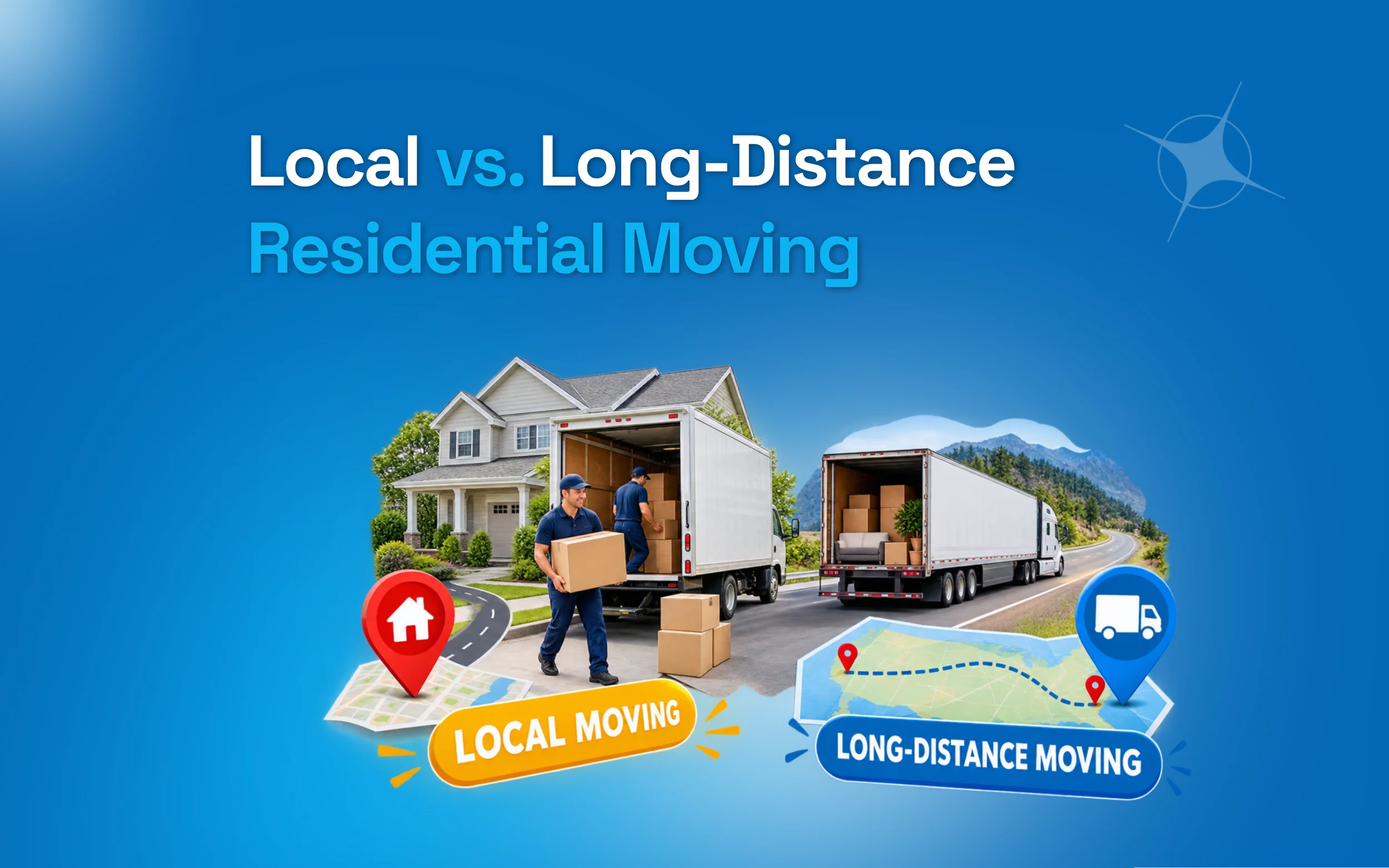
Local vs Long Distance Moving Costs
Local and long distance moves are billed in very different ways. Local movers usually charge an hourly rate for a team and a truck. You pay for the time on the clock. Long distance movers use weight and mileage. A bigger load and a longer trip both raise the price. This is why a small move across the country can still cost more than a large local move. Long distance jobs also take days to deliver. You may need storage or a flexible delivery window. Local moves finish in one day in most cases.
Read our guide on local vs long distance residential moving to see how timing and paperwork change too. Knowing which type you need helps you ask for the right quote. It also helps you compare movers fairly. Many people compare a flat local price with a weight based long distance price. That is not a fair match. Always ask each company how they charge before you compare.
Types of Moving Services and What They Cost
Not every mover offers the same help. Some only drive the truck. Others pack and unpack for you. The service you pick changes your price a lot. Here are the most common options.
Labor only: You rent the truck and hire workers to load and unload it. This is the cheapest paid option and it works well when you can drive the truck yourself.
Standard moving service: The crew loads and drives and unloads your items. This is the most popular choice and the price rises with weight or hours.
Full packing service: The team packs every room for you. It costs more but it saves days of work and it lowers the chance of broken items.
Partial packing: You pack most things and the movers pack only fragile items. This keeps your cost down while your dishes and art stay safe.
Storage add on: Some moves need short term storage between homes. You pay a monthly fee on top of the move price.
Specialty handling: Pianos and pool tables and safes need trained crews. Each one has its own fee and it is often a flat charge.
Ask each company what comes with the base price. Two quotes can look the same and still cover very different services. Our guide on what residential moving services include full packing assistance shows what a packing team really does.
How Moving Insurance Affects Your Cost
Moving insurance is one cost that people skip too fast. Your things matter and accidents can happen. It helps to know your choices before you sign.
Basic coverage: Most movers include a small level of cover by weight. It is usually low so a broken item may get only a small refund.
Full value protection: The mover repairs or replaces a damaged item or pays you its value. This costs more but it gives you much better protection.
Third party insurance: Some people buy a separate policy from an outside company. Compare the price and the rules with your mover’s own plan.
Home insurance check: Your own policy may cover items during a move. Call your agent and ask before you pay for extra cover.
Take photos of your items before the move. Keep receipts for costly things. These simple steps make a claim much easier if something breaks.

Hidden Costs People Often Forget
Hidden costs can add hundreds of dollars. Most of them are easy to avoid if you ask early. Here are the common ones.
Packing supplies: Boxes and tape and bubble wrap add up quickly. A full home can need dozens of boxes.
Fuel and travel fees: Some movers add a charge for the truck to reach your home. Others add fuel fees on long trips.
Long carry fees: If the truck must park far from your door, you may pay extra. Ask about this before moving day.
Storage fees: Delays or gaps between homes may need short term storage. Daily or monthly fees can grow fast.
Tips for the crew: Many people tip movers for hard work. Plan a small budget for this.
Cleaning and repairs: Your landlord may ask for a deep clean. Small wall repairs can also cost money.
Utility setup: New homes may charge deposits and hookup fees. These come due right when your budget is tight.
How to Save Money on Your Move
You do not need a big budget to move well. Small choices add up to real savings. Here is a simple plan that works for most people. Start with fewer things. Go room by room and sort items into keep and sell and donate. Every box you skip is money saved. Next, pick a flexible date. Midweek and mid month dates often cost less than weekends and month end. Winter dates can also be cheaper in many cities. Then pack some items yourself. Even packing books and clothes helps. Leave fragile items to the pros if you are unsure.
Get several quotes too. Compare each one line by line. Check what is included and what is not. A very low price can hide fees. Our guide on how to choose a residential moving company can help you spot red flags. Finally, use free boxes from local shops. Wrap dishes in towels and blankets. These small tricks cut supply costs without hurting safety.
Best Time to Move to Save Money
Timing can change your price a lot. Demand rises when schools close and leases end. Movers raise rates when they are busy. Here is a simple guide.
Cheapest months: November to March usually have lower demand. Movers may offer better rates and more open dates.
Busiest months: May to September is peak season. Book early and expect higher prices.
Best days: Tuesday to Thursday are usually cheaper. Fridays and weekends fill up fast.
Worst days: The last and first days of the month cost the most. Many leases start and end on those dates.
Other signs: Holiday weeks and bad weather can also raise prices. Ask your mover about slow dates before you book.
DIY Move vs Hiring Movers
Many people ask if they should rent a truck and move alone. It can look cheaper on paper. But there are costs that do not show up at first. Compare both options before you choose.
|
Factor |
DIY Move | Hiring Movers |
| Upfront cost | Lower |
Higher |
|
Time and effort |
Very high | Low |
| Risk of damage | Higher |
Lower with coverage |
|
Equipment |
You rent or buy it | Movers bring it |
| Best for | Small and short moves |
Large or long moves |
A DIY move works for a studio or a short trip. Add up the truck rental and fuel and gear and help from friends. Then compare the total to a mover quote. For big homes and long trips hiring a team is often the better value. It saves your back and your time. It also lowers the risk to your things. Our residential moving checklist can help you plan either way.
How to Get an Accurate Moving Quote
A good quote starts with good details. Give your mover clear facts and you get a clear price. Follow these steps.
Step 1, make a home inventory: List your furniture and boxes and large items. Do not forget the garage and storage areas.
Step 2, share both addresses: Give the pickup and drop off details. Mention floors and elevators and parking.
Step 3, list special items: Tell movers about safes and pianos and art. These items change the price and the crew needed.
Step 4, ask for written quotes: Get at least three. Compare each line and ask what is included.
Step 5, try a calculator first: A moving cost calculator gives you a fast starting number. Use it to set a budget before you talk to movers.
For a full planning guide read how to prepare for residential moving services. Early preparation means fewer surprises on the day. It also helps you spot costs before they grow. Share your plan with your mover so both sides agree on the details. A clear plan makes the final bill much easier to trust. Keep every quote and email in one folder. You will need them if the price changes later.
Frequently Asked Questions
How much does it cost to move?
Most local moves cost about $800 to $2,500. Long distance moves often cost $2,500 to $8,000 or more. Home size and distance change the price. Please verify with a written quote.
How much does it cost to move a studio apartment?
A local studio move often costs $400 to $900. A long distance studio move can cost $1,200 to $3,000. Stairs and packing can raise the total.
How much does it cost to move in NYC?
A local NYC studio move often costs $600 to $1,300. Bigger homes cost more. Parking and stairs and building rules add extra fees.
How much does it cost to move to Florida?
A 2 to 3 bedroom move to Florida usually costs $2,000 to $10,000. Your starting state changes the price. A move from California costs more than a move from Georgia.
How much does it cost to move a safe?
A small safe may cost $150 to $400 to move. A heavy gun safe can cost $800 to $2,000 or more. Weight and stairs are the main factors.
What is the cheapest way to move?
Moving less stuff and packing yourself saves the most money. A weekday move in winter also costs less. Compare at least three quotes before you book.
Do movers charge by the hour or by weight?
Local movers usually charge by the hour. Long distance movers usually charge by weight and distance. Ask each company how it prices the job.
Final Thoughts on Moving Costs
So how much does it cost to move? It depends on your home size and your route. A studio move is cheap. A move across the country is not. Big cities like NYC add fees. A move to Florida depends on where you start. Special items like safes need extra care and money. Most of these costs are easy to plan for. You just need good facts and a few quotes. That is the best way to keep your price fair.
Start early and sort your items. Pick a smart date and ask about every fee. Compare written quotes line by line. Use a calculator to set your budget. A little planning can save you hundreds of dollars. It can also save you stress. A well planned move feels much lighter. You can focus on your new home instead of surprise bills. Take it one step at a time. Ask questions when you feel unsure. A good mover will answer them with patience. You can do this.
Ready to Move? Get Your Free Quote Today
Want a clear price with no stress? Quick Ship Van Lines is here to help. Our team gives honest quotes and friendly support. Fill out our free quote form today and plan your move with confidence.