How much does it cost to move out of state? Most households pay between $2,000 and $10,000 when they hire professional movers. A DIY move with a rental truck can cost $1,000 to $5,000. A typical 2 to 3 bedroom move often lands near $3,500 to $5,500. That is a wide range because every move is different. Your final bill depends on distance, weight, and timing. These are rough 2026 estimates, so always check them against a written quote.
Moving to a new state feels exciting. It also feels like a big money risk. Many people only think about the truck price. Then extra fees show up and the budget breaks. This guide will help you understand what you may need to pay for your move. You’ll find out what affects the cost and where you can save money. Before you start planning, Try our moving cost calculator to get an idea of what your move might cost.
How Much Does It Cost to Move Out of State on Average?
The average cost to move out of state is about $3,500 to $5,500 for a 2- to 3-bedroom home with professional movers. That price is for a move near 1,000 miles. A small studio can cost much less. A big family home can cost far more. The cost to move out of state also changes with the method you pick. A rental truck is the cheapest in most cases. A full-service mover is the easiest but costs more. Weight and distance matter most. Date and extra services come next. If you want a wider view of pricing, read our guide on how much does it cost to move. Use the table below as a starting point only.
|
Home Size |
DIY Rental Truck | Professional Movers |
| Studio or 1 bedroom | $900 to $2,500 |
$1,500 to $4,000 |
|
2 bedrooms |
$1,200 to $3,500 | $2,500 to $5,500 |
|
3 bedrooms |
$1,800 to $4,500 |
$3,500 to $7,500 |
| 4 or more bedrooms | $2,500 to $6,000 |
$6,000 to $12,000 or more |
These are rough estimates for a move of about 1,000 miles. Real quotes will differ.
How Much Will It Cost to Move Out of State by Distance?
Distance is the first thing movers check. More miles mean more fuel and more driver time. The table below shows rough costs for a 2 to 3 bedroom home with movers.
|
Distance |
Typical Cost | What Pushes the Price |
| Under 500 miles | $1,500 to $3,500 |
Weight and stairs |
|
500 to 1,000 miles |
$2,500 to $5,000 | Weight and travel days |
| 1,000 to 2,000 miles | $3,500 to $7,500 |
Fuel and delivery window |
|
Over 2,000 miles |
$5,000 to $12,000 or more |
Long drive and peak dates |
Cross-country moves can cost more than this. Large homes and special items push the price higher.
What Changes the Cost of Moving to Another State?
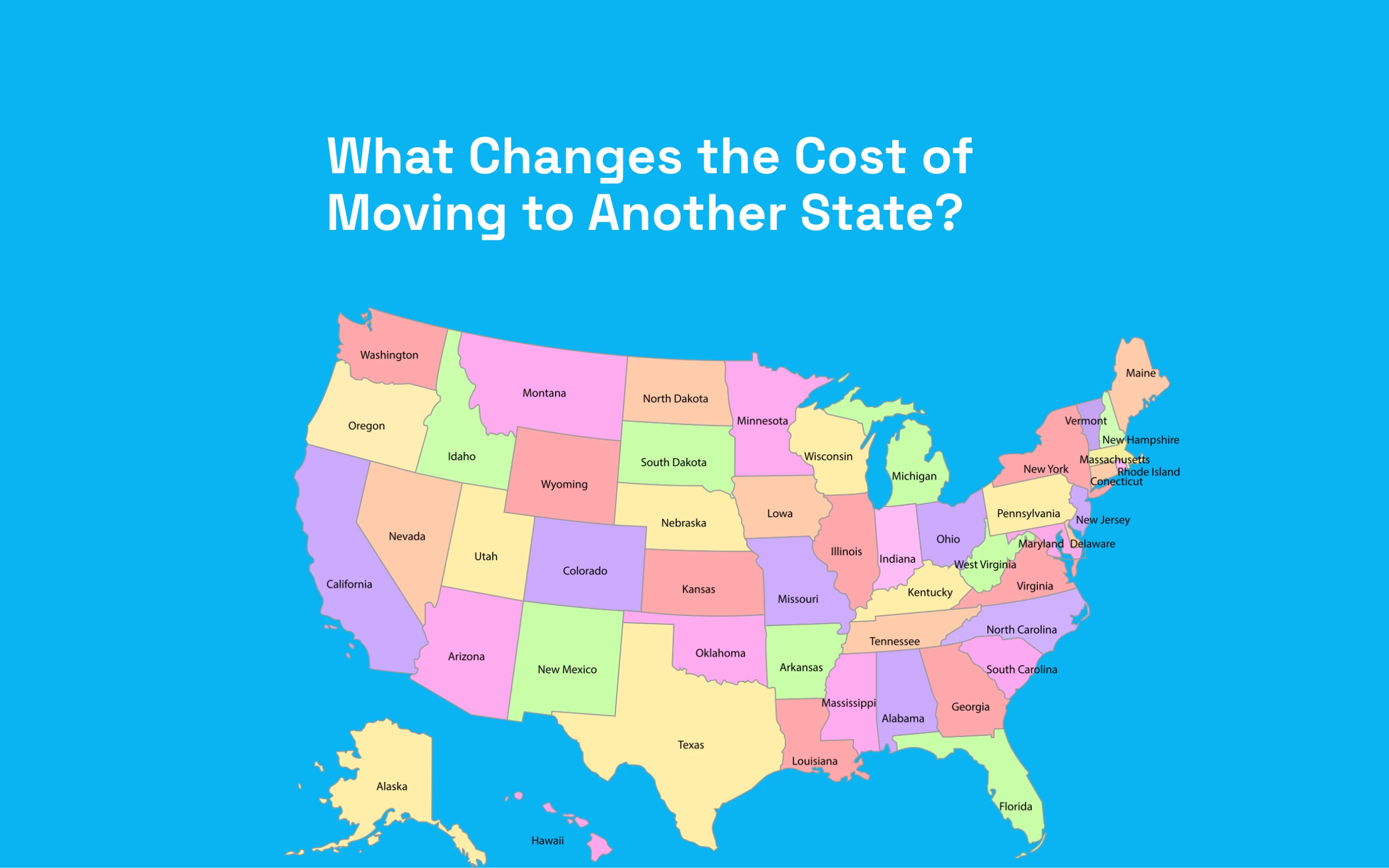
Two people can move the same miles and pay very different prices. These factors explain why.
Distance: Miles drive the biggest part of your bill. A trip across two states costs far less than a drive from coast to coast. Fuel and driver time both add up.
Weight: Long-distance movers charge by weight. More furniture means more pounds and a higher price. Heavy items like safes and pianos can raise the total fast.
Home size: A studio has less to pack and load. A four-bedroom house needs more crew time and more truck space. Each extra bedroom can add hundreds or even thousands of dollars.
Move date: Summer and month end are busy. Movers charge more when demand is high. A fall or winter move can lower your price by a real amount.
Packing help: Full packing costs more than packing yourself. You pay for labor and boxes. Many people pack easy rooms alone and hire help for fragile items.
Access and stairs: Stairs and long walks from the truck add time. Some movers add fees for them. A narrow street can also require a smaller shuttle truck.
Insurance: Basic cover is usually low in cost. Full value protection costs more but pays better if something breaks. Ask what each option covers before you choose.
Special items: A piano or a pool table needs extra care and extra hands. Expect a separate fee for items like these. Tell your mover about them early.
DIY Truck vs Container vs Full Service Movers
The method you choose changes your cost to move out of state more than almost anything else. Here is how the main options compare.
DIY rental truck: This is often the cheapest choice. You pay for the truck, fuel, and supplies. Most moves land near $1,000 to $5,000, but you do all the lifting and driving.
Moving container: A company drops off a container, and you load it. They drive it to your new home. Many moves land near $1,500 to $5,500 for long trips. It saves driving but still requires your help.
Full-service movers: The crew packs and loads and drives and unloads. Costs often run from $2,000 to $10,000 or more. You pay extra for comfort and less stress.
Labor-only help: You rent a truck and hire helpers to load it. This can cost less than full service. It also saves your back on moving day.
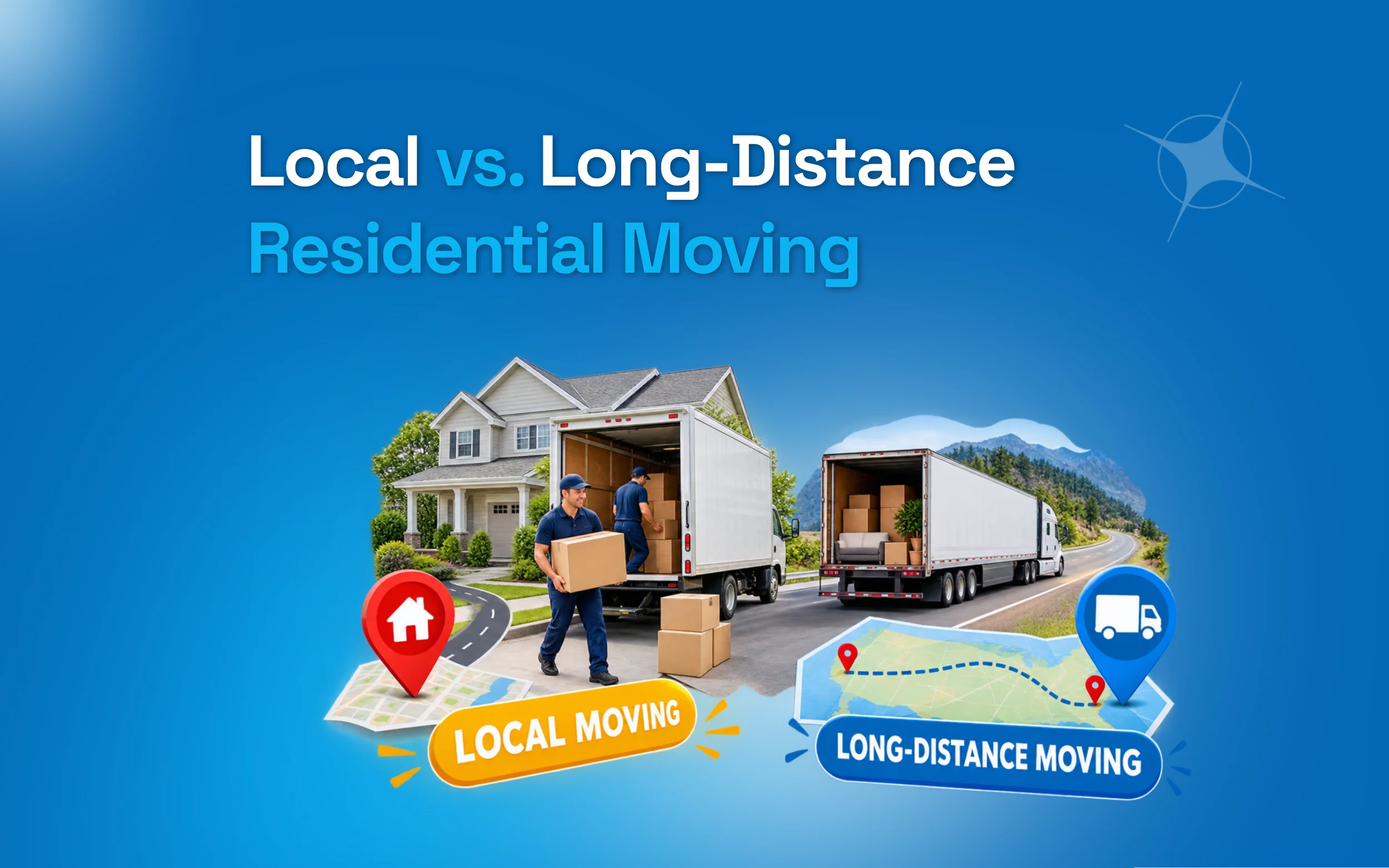
Not sure how a short move differs from a long one? This guide on local vs. long-distance moves explains it well.
How Do Movers Price a Long-Distance Move?
Out-of-state movers do not charge by the hour like local movers. They use weight and distance. Many 2026 guides place the rate near $0.50 to $0.80 per pound. A 2 to 3 bedroom home often weighs 5,000 to 7,500 pounds. That weight is why quotes jump fast. The mover first checks your inventory. Then they give an estimate. A binding estimate locks the price at the weight you listed. A non-binding estimate can change after the truck is weighed. Ask which one you are getting. Be honest about your items. If you hide a big couch the final bill can jump on moving day. Fuel charges and long carry fees can also appear. A clear written quote should list every fee. If a quote looks too low compare it line by line. Our post on how to choose a moving company shows what to check.

Hidden Costs When You Move to Another State
Many people ask how much does it cost to move to another state and only think about the mover. The extra costs can add up to a big number. Plan for these early.
Fuel and travel: If you drive your own car, you pay for gas, food, and hotels. A multi-day drive can add several hundred dollars. Add more if you travel with kids or pets.
Packing supplies: Boxes and tape and bubble wrap add up quickly. A full home can need dozens of boxes. Buying them new often costs more than people expect.
Storage: Delivery dates can shift. If your new home is not ready, you may need short-term storage. Monthly fees and handling fees both apply. Ask your mover about storage rates before you book.
Long carry and shuttle fees: If the truck cannot park near your door, the crew may need a smaller truck. This adds time and money. Ask about it before you book.
Stairs and elevator fees: Some buildings need elevator booking. Some movers charge per flight of stairs. Tell your mover about both homes so the quote stays fair. Surprises on moving day cost more than planning does.
Tips: Tips are not required, but they are common. Add a small amount to your budget so it is not a surprise. Plan this before moving day.
Overlap rent and deposits: You may pay rent in two places for a short time. New landlords may ask for a deposit too. For many people, this is the highest extra cost.
Cleaning: Cleaning the old home helps you get your deposit back. Hiring cleaners costs money. Put it in your budget so you are not rushed on the last day.
Costs After You Arrive in Your New State
The spending does not stop when the truck leaves. Your first month in a new state has its own bills.
Driver license and car registration: Most states ask you to update both after you move. Fees and deadlines differ by state. Check your new state’s DMV website before you arrive.
Utility setup and deposits: Power, water, and internet may need deposits or setup fees. Call each company before you move. This helps you budget and keeps your lights on.
Basic home needs: A new home needs small items like curtains and cleaning supplies. These small buys add up fast. Make a short list before you leave your old home.
Cost of living: Rent, food, and gas may cost more or less in your new state. Compare prices before you commit. This keeps you from a nasty surprise after you settle in.
Job and license changes: Some jobs need a new state license or permit. Fees can apply. Check the rules early so you can start work on time. Ask your employer if they cover any of these costs.
Emergency cushion: Keep extra cash for surprise costs. A cushion of about 10% is a common rule of thumb. It can save you from a stressful week. Even a small buffer helps.
Best Time to Move Out of State to Save Money
Timing can change your price more than you expect. Summer is the busiest season. Families move when school is out, and the weather is good. Movers know this and raise prices. Some guides say peak season can cost 20% to 30% more. Month-end and weekends are also busy. If you can move in fall or winter, you may save a lot. A midweek day in the middle of the month is often the best deal. Book early either way. Good dates fill up fast.
|
Time |
Demand | Price Effect |
| May to September | High |
Often higher |
|
October to April |
Lower | Often lower |
| Month end and weekends | High |
Often higher |
|
Midweek and mid month |
Lower |
Often lower |
Sample Budgets for Three Out-of-State Moves
Numbers feel clearer with examples. These are my own rough budgets built from typical ranges. They are not quotes.
|
Cost Item |
Studio, 500 Miles | 2 Bedroom, 1,000 Miles | 4 Bedroom, 2,500 Miles |
| Movers | $1,500 to $2,500 | $3,500 to $5,500 |
$9,000 to $13,000 |
|
Packing supplies |
$100 to $200 | $250 to $500 | $500 to $900 |
| Travel | $150 to $300 | $400 to $900 |
$1,000 to $2,000 |
|
Extras and fees |
$100 to $300 | $200 to $600 | $400 to $1,000 |
| Total estimate | $1,850 to $3,300 | $4,350 to $7,500 |
$10,900 to $16,900 |
Notice how travel and extras add real money. That is why the average cost to move out of state is never just the mover’s price.

10 Easy Ways to Lower Your Moving Cost
You do not need a huge budget to move well. Small choices add up to big savings.
Declutter first: Less stuff means less weight. Sell or donate what you do not need. Cutting a few hundred pounds can lower a long-distance quote. It also means fewer boxes to pack and unpack.
Move off peak: Pick fall or winter if you can. Choose a midweek day over a weekend. Demand is lower on those days, so prices often drop. Movers may also have more open dates to offer you.
Book early: Good dates fill fast. Booking weeks ahead gives you time to compare quotes. It also helps you avoid rush fees. Early planning keeps you calm and gives you more choices.
Compare three quotes: Prices can differ a lot between companies. Ask for written quotes using the same item list. Compare each line and not only the total. A fair comparison shows you who is really cheaper.
Pack some rooms yourself: Packing is a large labor cost. Do the easy rooms on your own. See what full packing help includes before you decide what to hire.
Use free boxes: Ask local stores for sturdy boxes. Use towels and clothes as padding for fragile items. This cuts your supply costs. Just make sure the boxes are clean and strong enough for heavy things.
Ship heavy items another way: Boxes of books weigh a lot. Mailing them may cost less than moving them by weight on a long-distance truck. Check mail rates before you decide. Compare both prices first.
Skip cheap furniture: Old and low-cost furniture can cost more to move than to replace. Think about the price of a new piece. Compare both prices before you load it onto the truck.
Ask about employer help: Some employers pay part of your moving costs. Ask HR before you book anything. A short email can save you hundreds of dollars. Get the offer in writing so you can plan with it.
Get a binding estimate: A binding quote locks your price at the weight listed. It protects you from surprise changes on moving day. Ask for it in writing. Keep a copy with your other moving papers.
How to Get an Accurate Out-of-State Moving Quote
A good quote starts with good details. First make a list of your items. Count rooms and big furniture. Note stairs and parking at both homes. Then try a moving cost calculator for a quick estimate. Next, ask movers for written quotes. Share the same list with each one so you can compare fairly. Ask if the price is binding. Ask what is not included. A written quote should show the date. It should list the weight and every fee. It should explain insurance too. Check that the mover has a valid license and insurance. Read recent customer reviews as well. Our post on how to prepare for your move shows what to do before the crew arrives. Take your time. A good quote saves money and stress.
Red Flags in an Out-of-State Moving Quote
Most movers are honest. A few are not. Watch for these warning signs.
A very low price: A quote far below the others is a warning sign. Some companies lowball and then raise the price later. Ask why the price is so low.
No written estimate: A phone quote alone is risky. Get everything in writing before you pay anything. Your quote should list the services and every fee. A good company will not mind putting it on paper.
No inventory check: A mover who never asks about your items cannot know the weight. This often leads to price jumps. Offer a video call or a full item list.
Big upfront deposit: Be careful if a company asks for a large cash deposit. Ask for a clear payment policy in writing. Pay by card when you can. A card gives you more ways to dispute a bad charge.
No license details: Interstate movers should have a USDOT number. You can look it up on the FMCSA website. Skip any company that will not share it. A real company will give it right away.
Blank or unclear contract: Never sign a paper with blanks. Read every line before you sign. Ask questions until you understand each fee. If something feels unclear ask for a change in writing.
Simple Timeline to Control Your Moving Budget
A plan keeps costs from creeping up. Follow this timeline and use a moving checklist to stay on track.
8 weeks before: Set your budget and start decluttering. Collect quotes from at least three movers. Early work gives you the most savings. Use this time to sort what to keep and what to sell.
6 weeks before: Choose your mover and book your date. Ask for a written binding estimate. Keep a copy of every paper. Confirm the pickup and delivery dates so there are no surprises later.
4 weeks before: Start packing rooms you do not use. Order supplies you still need. Tell your landlord and utility companies about your move date. Update your address with banks and your employer.
2 weeks before: Confirm every detail with your mover. Pack more rooms and label each box. Plan your travel and any hotel stays. Fill your car with gas and plan your route if you will drive.
1 week before: Finish packing. Keep cash or a card ready for payment and tips. Carry important papers with you and not on the truck. Pack a small bag with daily needs for the first night.
Moving day: Walk through the inventory with the crew. Read the paperwork before you sign. Take photos of valuable items. Keep your phone charged so the crew can reach you at any time.
After the move: Check every item for damage as soon as it arrives. Report problems fast and in writing. Update your address and your records. Then take a deep breath and enjoy your new home.
Is Hiring Movers Worth the Extra Cost?
Many people ask this when they see the price gap. A DIY move can save you thousands of dollars. But it also costs time and energy. You must drive a large truck for many miles. You must load it safely too. A bad load can break items and cost you more than you saved. Movers bring trained crews and the right tools. They also offer insurance options. For a long trip, it can be worth it. Think about your time. Think about your health and your stress level. A DIY move often fits a small home and a short trip. Hiring movers often fits a big home and a long trip. Many people choose a middle path. They pack alone and hire pros to load and drive. Add up all the costs for each option. Then pick the plan that fits your budget and your life.
Frequently Asked Questions
How much does it cost to move out of state?
Most people pay about $2,000 to $10,000 with professional movers. A DIY move often costs $1,000 to $5,000. Distance and weight change the price the most. Always get a written quote.
What is the average cost to move out of state?
A typical 2 to 3 bedroom home often costs about $3,500 to $5,500 for a move near 1,000 miles. Smaller homes cost less and larger homes cost more. Treat this as a rough guide.
How much will it cost to move out of state with a 2-bedroom home?
Many 2-bedroom moves cost about $2,500 to $5,500 with movers. A rental truck can be cheaper. Your date and distance can change this range.
What is the cheapest way to move to another state?
A DIY move with a rental truck is often the cheapest. A moving container can also save money if you do the loading. Full-service movers cost more but save time and effort.
When is the cheapest time to move out of state?
Fall and winter are often cheaper. Midweek and mid-month dates can help too. Summer and month end are the busiest times and often cost more.
How far ahead should I book movers?
Book at least 6 to 8 weeks ahead if you can. Summer dates may need more time. Early booking gives you time to compare quotes.
Do movers charge by weight or by the hour for out-of-state moves?
Most long-distance movers charge by weight and distance. Local movers usually charge by the hour. Ask your mover how they build the price and get it in writing.
Conclusion
So how much does it cost to move out of state? For most people, the answer sits between $2,000 and $10,000. Your own number depends on distance, weight, and timing. Extra costs like fuel, supplies, and deposits can add up fast. That is why a full budget matters more than one quote. Use the ranges in this guide as your starting point. Then ask for a real quote to see your true price.
Start early and compare written quotes. Small steps now save real money later. Cut what you do not need before moving day. Pick an off-peak date if you can. Keep a small cushion for surprises. Ask questions and read every paper before you sign. A calm plan beats a rushed move every time. Moving is a big step. You deserve a plan that feels easy and fair. With the right steps, you can reach your new state and keep your budget safe.
Ready to Find Your Real Price?
Try our moving cost calculator for a quick estimate. Then get a free quote from Quick Ship Van Lines. Call (833) 627-1754 or get your free quote today and move with a clear plan.