Moving to a new home can be an exciting step, but the moving process itself can bring a lot of stress. You have to pack your belongings, organize everything, follow deadlines, and keep track of your moving costs. At the same time, leaving a familiar home can bring many emotions, especially when it holds years of memories.
So, why are residential moving services stressful? The reason is simple: moving requires you to manage many things at the same time. From packing and planning to transportation and settling into your new home, every step needs time and attention. In this guide, we will look at the main reasons behind moving stress and share simple ways to make your next move easier.
What Makes Residential Moving So Stressful
Moving can be stressful because it combines physical work, emotional change, and financial pressure all at once. Packing, sorting, lifting, organizing, and making travel plans can quickly become overwhelming. At the same time, people may be leaving a familiar home and adjusting to a new place. Most families also have to make dozens of quick decisions within a short time. Choosing what to keep, what to move, and how to manage the moving day adds even more pressure. This mix of tasks, emotions, and unexpected problems is a major reason why residential moving services can feel so stressful for many families.
Why People Underestimate Moving Stress Beforehand
Most people plan a move by thinking about boxes and trucks only. They rarely think about the mental load that builds up in the weeks before the actual date. Sorting through old items often brings up memories nobody expected to deal with.
On top of that many families keep working full time jobs while planning a move. There is no pause button on daily life just because a move is coming up. School runs work meetings and household chores continue as normal. This means moving tasks get squeezed into evenings and weekends instead of spread out evenly. By the time moving day arrives many people are already running on very little rest.
The Emotional Weight of Leaving a Familiar Home
A house is never just walls and furniture. It holds birthdays, quiet mornings, years of small routines that feel normal until they are gone. Leaving that behind creates a sense of loss even when the move is a happy one.
This emotional side of moving is often ignored in checklists and guides. People expect the process to be purely logistical. But grief over a changing chapter in life can make simple tasks like packing a kitchen feel heavier than expected. This emotional weight is a big part of why residential moves feel so draining for many people.
Children and older family members often feel this shift even more strongly. A child may worry about losing friends nearby. A grandparent may feel unsettled leaving a home tied to decades of memories. Acknowledging these feelings openly instead of rushing past them can make the whole household feel more supported during the transition.
Tight Timelines and Deadline Pressure
Deadlines turn a manageable move into a race against the clock. When time runs short every small task feels urgent.
Lease end dates: Many renters must be fully out by a fixed date or face extra charges. This creates pressure to finish packing faster than feels comfortable.
Closing dates on homes: Buying or selling a home often locks you into a schedule you cannot control. Any delay from the other side can shrink your moving window overnight.
Work start dates: A new job often has a fixed start date. This forces the whole move to happen in days instead of weeks.
Moving company availability: Popular movers get booked early during busy seasons. Waiting too long can mean settling for a date that does not fit your plans.

Hidden Costs That Catch People Off Guard
Budgeting for a move looks simple until small charges start adding up. Many people focus only on the truck rental or the mover’s quote. They forget about the extra fees that show up later.
|
Hidden Cost |
Why It Happens |
| Packing materials |
Boxes, tape and bubble wrap add up fast for a full home |
|
Long carry fees |
Movers may charge extra if the truck cannot park close to your door |
| Stair or elevator fees |
Extra labor is needed for homes without ground level access |
|
Storage fees |
Gaps between move out and move in dates often require temporary storage |
| Insurance add-ons |
Basic coverage may not protect valuable or fragile items |
Seeing these costs listed out helps explain why are residential moving services stressful on a financial level. The final bill often looks nothing like the first estimate.
Packing Overload and Decision Stress
Packing sounds simple until you are standing in a room full of items that need sorting. Every object requires a small decision. Should it be kept? Should it be donated? Should it be tossed? Multiply that decision by hundreds of items across an entire home and the mental stress becomes real. This is called decision fatigue and it is a well known cause of stress during big life changes. By the tenth box most people just want the process to end. That rushed mindset often leads to messy packing and misplaced items later. It also explains why so many people say packing is the worst part of moving.
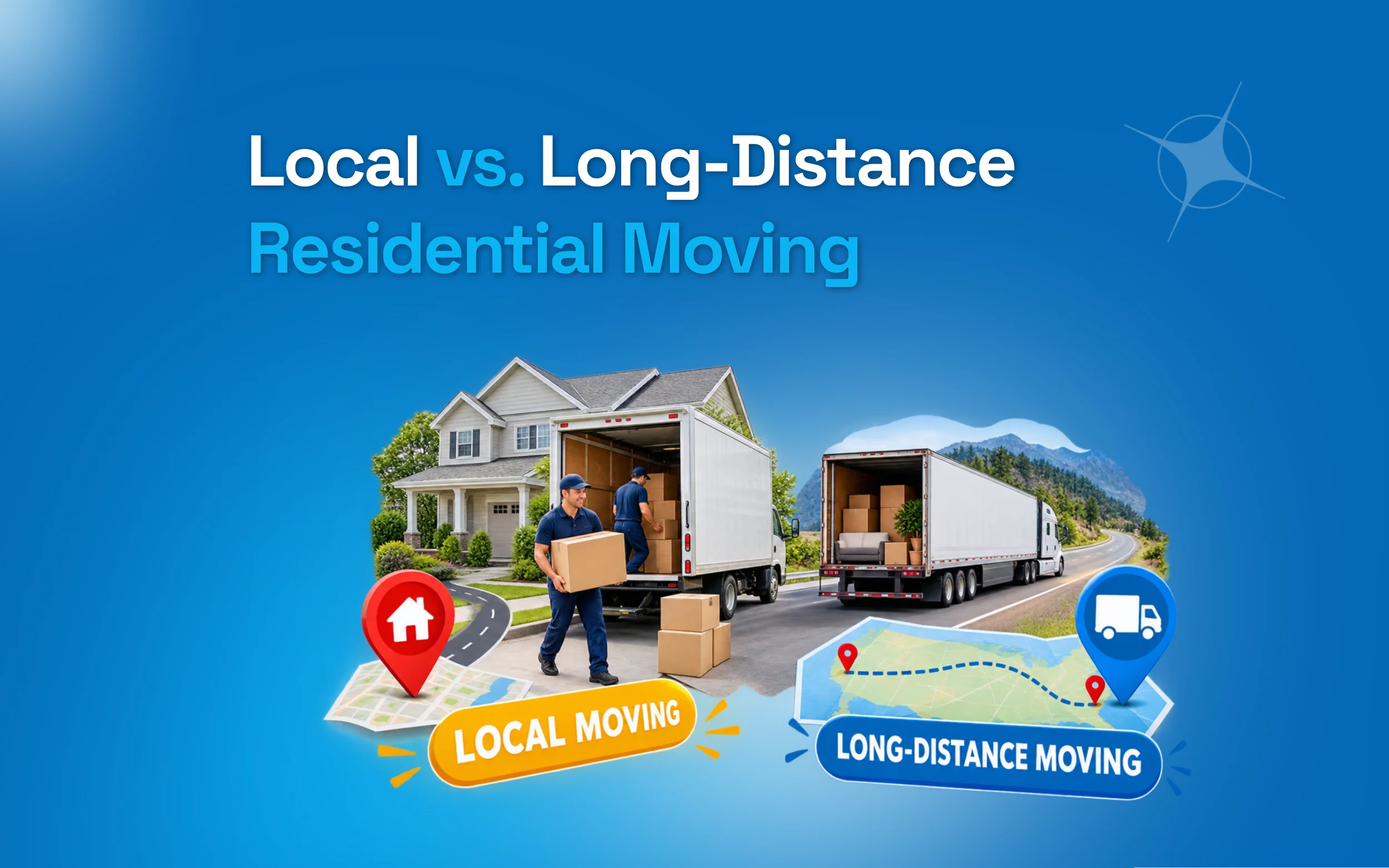
Local Moves vs Long Distance Moves Stress Differences
Not every move creates the same type of pressure. A move across town and a move across the country come with very different challenges.
|
Factor |
Local Move | Long Distance Move |
| Time pressure | Usually lower since the drive is short |
Higher due to travel days and tighter scheduling |
|
Cost structure |
Often billed by the hour | Often billed by weight or distance |
| Item damage risk | Lower since travel time is short |
Higher due to longer time on the road |
|
Emotional distance |
Easier to visit the old area again | Harder since the old home may feel permanently out of reach |
| Planning window | Can be arranged in a shorter time |
Usually needs weeks of advance planning |
Understanding these differences helps explain why are residential moving services stressful in different ways depending on the distance involved. A short move still has pressure but a long move adds travel fatigue on top of everything else.

Coordinating With Family Members and Kids
Moving rarely affects just one person. Family logistics add another layer of pressure to the process.
Different schedules: Work hours school pickups and other commitments make it hard to find shared packing time. This often pushes tasks into late nights or rushed weekends.
Children’s routines: Kids need stability and a move can disrupt their sense of normal life. Parents often spend extra energy managing emotions on top of physical tasks.
Pet care: Moving day can be overwhelming and unsafe for pets if not planned properly. Owners must arrange safe spaces or sitters during the busiest hours.
Shared decision-making: Couples or roommates may disagree on what to keep or how to organize the move. These small conflicts can slow down progress and raise tension.
Fear of Damage or Loss During Transit
Handing over your belongings to strangers is uncomfortable even when the movers are professional. People worry about fragile items breaking. They worry about furniture getting scratched. They worry about boxes going missing between the old home and the new one.
This fear is not irrational. Even careful moving crews can face accidents from tight staircases or heavy traffic. Without clear communication about insurance and handling procedures, this worry can sit in the back of your mind for the entire moving day. Knowing what coverage your mover offers ahead of time can lower this specific source of anxiety significantly.
The Role of Clear Communication With Your Movers
A large part of moving stress comes from not knowing what is happening at each stage. Clear communication from the moving company can remove much of this uncertainty.
Confirmed arrival windows: Knowing a specific time range helps you plan the rest of the day around it. This avoids long hours of waiting without any updates.
Item inventory lists: A written list of everything loaded onto the truck gives peace of mind. It also makes it easier to confirm nothing is missing at delivery.
Direct contact numbers: Having a direct line to the crew or dispatcher helps solve problems quickly. This is far better than waiting on hold with a general customer service line.
Delivery updates: For longer moves regular updates on the truck’s location reduce anxiety about delays. This is especially helpful for moves crossing several states.
Dealing With Unreliable or Unclear Moving Companies
A mismatch between what a moving company promises and what actually happens is one of the fastest ways to turn a calm move into a stressful one.
Vague quotes: Some companies give estimates that do not match the final invoice. This leaves customers with unexpected charges on moving day.
Late arrivals: A mover showing up hours late can throw off an entire day’s schedule. This is especially painful when a lease or closing has a strict deadline.
Poor communication: Not knowing when the truck will arrive or where it currently is adds unnecessary worry. Clear updates make a huge difference in how calm the day feels.
Understaffed crews: A small crew for a large home means slower work and more physical strain on the movers themselves. This can also increase the risk of items being handled carelessly.
Physical Exhaustion Nobody Talks About
Moving is one of the few times in modern life when most people do intense physical labor for many hours straight. Lifting boxes carrying furniture and making dozens of trips up and down stairs adds up quickly.
Even with help from professional movers there is still unpacking cleaning and organizing left for the homeowner. This physical toll often gets overlooked in moving guides that focus only on logistics. By the end of the day many people feel sore tired and mentally foggy. That exhaustion makes even small setbacks feel much bigger than they actually are.
Sleep also tends to suffer in the days leading up to a move. Late nights spent packing cut into normal rest and this lack of sleep lowers patience for everyone involved. A tired body combined with a tired mind is part of why simple problems on moving day can feel much more frustrating than they really are.
The Mental Health Side of Moving
Moving is often ranked among the more stressful life events a person can go through. It shares some of the same emotional weight as changing jobs or ending a relationship. This is not an exaggeration since it involves a loss of routine and a shift in identity tied to a place.
People rarely permit themselves to feel tired or upset during a move. Many people believe moving should be treated as a logistics task. But ignoring the emotional side often makes stress worse, not better. Taking short breaks during packing and talking about the change with family or friends can ease this pressure. Recognizing that moving stress is normal is often the first step toward handling it more healthily.
Last Minute Surprises on Moving Day
No matter how well you plan something unexpected almost always happens on moving day itself.
Weather changes: Rain or extreme heat can slow down loading and unloading significantly. It can also damage items left uncovered even for a short time.
Elevator reservations: Apartment buildings often require booked elevator times. Missing that window can delay the entire schedule.
Missing paperwork: Keys deposits or building permits sometimes get misplaced during the chaos. This can hold up access to either the old or new home.
Vehicle issues: Trucks can face mechanical problems or parking restrictions. Either issue can add hours to an already long day.
How Professional Residential Moving Services Reduce This Stress
Hiring trained professionals does not remove every challenge but it does remove many of the heaviest ones. Experienced movers already know how to pack fragile items safely. They know how to navigate stairs and tight hallways without damage. They also carry proper insurance so unexpected accidents do not become financial disasters.
Choosing reliable residential moving services means someone else handles the heavy lifting logistics and timing. This frees up your energy to focus on settling into your new home instead of worrying about the truck. A trustworthy team also communicates clearly about arrival times and costs. That clarity alone removes a large part of the stress most people associate with moving day.

How to Choose the Right Residential Moving Company
Picking the right team from the start prevents many of the problems described earlier in this guide.
Check reviews carefully: Look for patterns in feedback rather than a single good or bad review. Consistent complaints about timing or damage are a warning sign.
Ask about insurance coverage: Confirm what type of protection is included and what costs extra. This avoids confusion if an item gets damaged during transit.
Request a written estimate: A detailed quote in writing protects you from surprise charges later. Compare at least two or three quotes before deciding.
Confirm license and registration: Legitimate moving companies should be properly licensed for the areas they serve. This is an easy way to filter out unreliable operators.
Simple Ways to Make Your Move Less Stressful
Small changes in how you prepare can lower stress significantly even before moving day arrives.
Start early: Begin packing nonessential items several weeks ahead of time. This spreads the workload instead of cramming it into a single weekend.
Label everything clearly: Mark boxes with the room name and a short list of contents. This saves hours of searching once you reach the new home.
Get a written quote: Ask movers for a detailed estimate that includes all possible fees. This avoids the shock of surprise charges later.
Pack an essentials bag: Keep toiletries chargers and important documents in one bag you carry yourself. This ensures you are not digging through boxes on the first night.
Confirm details a few days ahead: Call your moving company to confirm the date time and address. This small step prevents last minute scheduling confusion.
Conclusion
At the end of the day understanding why are residential moving services stressful helps you prepare better. The pressure comes from a mix of tight deadlines physical labor emotional change and unexpected costs. None of these causes are unusual and almost every mover faces some version of them.
But most of this stress can be reduced with early planning and the right support. Choosing a reliable moving team clear communication and a realistic budget can turn a chaotic day into a manageable one. Moving will always require effort but it does not have to feel overwhelming from start to finish. If your next move is coming up soon do not wait until the last minute to plan it. Reach out to a trusted residential moving team like Quick Ship Van Lines and get a clear quote before your schedule gets tighter.
Frequently Asked Questions
Why are residential moving services stressful even with professional help?
Even with movers handling the heavy lifting you still manage packing decisions timing and emotional adjustment. Professional help reduces physical strain but does not remove every source of pressure.
How long before moving day should I start packing?
Most people should start packing non essential items about four to six weeks before the move. This gives enough time to sort donate and organize without rushing.
What is the most stressful part of moving for most people?
Many people say packing and sorting belongings is the hardest part. Decision fatigue from handling hundreds of items in a short time makes this stage mentally draining.
Can hiring movers really lower moving stress?
Yes hiring experienced movers can lower physical and logistical stress significantly. They understand safe handling packing techniques and time management better than most first time movers.
Why do moving costs often go over budget?
Extra fees like long carry charges stair fees and packing materials are often left out of initial estimates. Asking for a detailed written quote helps avoid this issue.
How can I reduce emotional stress when leaving my old home?
Give yourself time to say goodbye to the space before the move happens. Taking photos of meaningful rooms can also help ease the transition emotionally.
What should I check before choosing a moving company?
Look for clear pricing proper insurance and verified reviews from past customers. A company that communicates clearly before the move is usually reliable on moving day too.
If you want to know about What Should You Look for in a Commercial Moving Company? In that case, you can find detailed information through our website.