

Want to know how to prepare for residential moving services? Start early and make a plan. Set a budget and pick a trusted mover. Declutter your home and pack room by room. Label every box and handle your paperwork. Then get your old and new homes ready for moving day. These steps cut stress and protect your things. Most problems on moving day come from poor planning. A little prep each week fixes that. It also saves you money.
Moving does not have to feel heavy. Many families use trained residential moving services to save time and avoid injury. But even the best crew works faster when you are ready. This guide gives you a clear plan. You will learn what to do week by week. You will also get easy tips on packing and costs and safety. Read it once and keep it close. Use it as your checklist from the first box to the last. It will make your move calmer.
Why Preparation Matters Before Residential Moving Services
A move is a big project. It has many small tasks. If you leave them for the last week, you will feel stress fast. Good prep gives you control. You know what to pack and who to call. You also know what it will cost.
A ready home moves faster. The crew can load boxes without waiting for you to finish packing. That saves hours on the clock. It can also lower your final bill when the price depends on time. Prep keeps your things safer too. Items packed in a rush break more often. Weak boxes fall apart in the truck.
Many people ask why residential moving services are stressful. The answer is usually poor planning and too many tasks at once. The good news is simple. Stress drops when your plan is clear. Prep also helps you sleep better the night before. Each step below takes you closer to a calm move day.
Start Early With a Week by Week Timeline
A timeline breaks a huge job into small bites. Use the table below as your base. Adjust it if your move is sooner or later. Even a short plan is better than no plan.
|
Time Before Move |
Main Tasks | Why It Helps |
|
8 weeks |
Set a budget and collect quotes. Start decluttering. | You get better dates and fewer rushed choices. |
| 6 weeks | Book your mover and order supplies. |
Good movers fill up early. |
|
4 weeks |
Pack rooms you rarely use. | Daily life stays normal while boxes grow. |
| 2 weeks | Pack most items and update your address. |
You avoid a last-minute rush. |
|
1 week |
Confirm the booking and label boxes. Pack an essentials bag. | Final checks catch small gaps. |
| Moving day | Walk each room with the crew and sign the papers. |
You stay in control of the move. |
A long trip needs even more time. Read about local vs long distance residential moving to see how the plan changes.

Set a Clear Budget for Your Move
Money worries can ruin a good move. A clear budget keeps you calm. It also helps you compare movers fairly. Use these points to build yours.
Know the main costs: Moving costs include labor, truck time, and packing supplies. Some movers also add fees for stairs or long walks. Write each cost down so nothing surprises you later.
Ask about extra fees: Always ask what the quote covers. Fuel and extra stops and heavy item fees can raise the bill. Read about hidden moving costs before you sign anything.
Compare local prices: Local moves are often billed by the hour. This guide on how much it costs to hire movers for a local residential move shows what drives the price.
Add a small buffer: Keep some extra money aside. Surprises happen on almost every move. A buffer stops one small problem from becoming a big one. Even a small cushion helps you stay calm when plans change.
Count the small costs: Tape and boxes and parking permits add up fast. Tips for the crew and cleaning fees also count. List them early so your budget stays honest.
Pay in a safe way: Be careful if a mover asks for a big cash deposit upfront. Use a card or another traceable method. Keep every receipt and the signed estimate in one folder.
Choose the Right Moving Company
Your mover shapes your whole move day. Take time to pick well. Start by checking the license and insurance. Look at real reviews from past customers. Ask for at least three written quotes. Compare them line by line. If you need help with this step, read our guide on how to choose a residential moving company.
Ask clear questions too. Does the quote include packing? What happens if something breaks? Who will be on the crew? Honest movers answer fast and plainly. Ask friends or neighbors for names too. Personal tips are often the most honest.
Be careful with very low quotes. They often grow later. Good residential moving services also tell you what you need to prepare. Write down their advice and follow it. A mover who explains the process is a mover you can trust. Ask how they handle delays too. A clear plan for late arrivals shows real experience. Trust your gut if something feels off.
Declutter Before You Pack
Less stuff means less work. It can also mean a smaller load. Decluttering is the best prep step for any move. Start it early so it never feels rushed.
Sort into three piles: Make piles for keep, donate, and toss. Be honest about each item. If you did not use it this year, you may not need it.
Start with storage areas: The garage, attic, and closets hold the most forgotten items. Clear them first. These areas take the longest and rarely feel urgent. Do one shelf at a time.
Sell what has value: Sell good furniture and electronics you no longer use. Online listings work well. The money can help pay for supplies or tips. Take clear photos and set a fair price.
Donate with a date: Book a pickup with a local charity. Set the date a few days before the move. This keeps donation boxes from filling your hallway. Ask if they take large items too.
Handle risky items: Movers usually cannot carry paint or gas cans or other flammable items. Ask your mover for their list. Get rid of these things safely before the move.
Think about space: A smaller load can lower your price. It also means less to unpack in your new home. Ask yourself if each item fits your new space.
Gather the Right Packing Supplies
Strong supplies protect your things. Weak boxes and cheap tape cause most breakage. Buy more than you think you need. You can often return unused boxes.
|
Item |
Best Use | Quick Tip |
|
Small boxes |
Books and tools |
Heavy items go in small boxes. |
| Medium boxes | Kitchen items and toys |
Pad the bottom with paper. |
|
Large boxes |
Pillows and blankets | Keep them light. |
| Wardrobe boxes | Hanging clothes |
They save ironing time. |
|
Packing paper |
Dishes and glass | Clean paper is better than newspaper. |
| Bubble wrap | Electronics and fragile items |
Wrap corners twice. |
|
Strong tape |
Sealing boxes | Tape the bottom in an H shape. |
| Markers and labels | Room names |
Write on the sides and not the top. |
|
Moving blankets |
Furniture |
Ask if your mover brings them. |
If you do not want to pack alone, see what residential moving services include full packing assistance. Some people hire help only for the hard rooms.
Pack Room by Room
Packing room by room keeps things organized. It also makes unpacking easy. Start with rooms you use the least. Finish with the kitchen and bathroom.
Kitchen: Pack rarely used items first. Wrap each plate alone and stand plates on their edges. Keep one box of daily items open until the last day.
Living room: Take down wall art and pack it flat. Remove lamp shades and wrap them well. Bundle cables with ties and label each one. Take a photo of your TV setup first.
Bedrooms: Pack seasonal clothes early. Keep bedding for the last night. Ask your mover if clothes can stay in drawers. Many crews prefer drawers to be empty.
Bathrooms: Seal liquids in zip bags and tape the lids shut. Pack toiletries last because you use them daily. Keep a small bag for the first night.
Kids rooms: Let kids pick a few favorite toys to carry. Pack the rest by type. This keeps them happy and makes the first night easier. Younger kids may like a small box of their own.
Home office: Back up your files before you pack computers. Keep important papers with you. Wrap screens well and use the original boxes if you still have them.
Garage and tools: Drain fuel from lawn tools. Pack nails and screws in small bags. Tape each bag to the tool it belongs to. Heavy items need small strong boxes.
Prepare Your Furniture and Appliances
Big items need a plan. A sofa that does not fit through a door can slow the whole move. Check these points a week before.
Measure doorways and halls: Measure your large furniture and the doors in both homes. Do this before moving day. If something will not fit you can plan a fix early.
Take apart what you can: Remove legs from tables and take beds apart. Smaller pieces are easier to carry. Ask your mover first because some crews do this for you.
Bag the screws: Place screws and bolts in a labeled bag. Tape the bag to the furniture piece. This saves a lot of time when you rebuild. Do this for every bed and shelf.
Prepare the fridge: Empty and clean your fridge a day before the move. Let it dry fully. Wet fridges can grow mold in a closed truck. Prop the doors open for a few hours.
Check the washer: Drain the hoses and follow the maker guide for travel. Many washers need special bolts. Look in the manual or ask your mover. Skipping this step can cause damage.
Protect floors and walls: Lay down floor covers and cover sharp corners. Clear the path of rugs and small items. This keeps your home and the crew safe. Even small scratches cost time to fix.
Handle Paperwork and Address Changes
Paperwork is easy to forget. Do it early so nothing is missed. A simple list helps. Tick each item off as you go.
Change your address: Update your address with the postal service. Also tell your bank and employer. Do it two weeks before the move so mail follows you. Do not forget magazines or subscriptions.
Move your utilities: Call the power, water, and internet companies. Set a stop date for the old home and a start date for the new one. Do not leave a gap.
Update insurance: Tell your home or renter insurance company about the move. Ask when the new policy starts. Coverage should never have a gap. Keep a copy of the new policy with your papers.
Transfer records: Ask schools and doctors for copies of your records. Some places need days to send them. Request them early. Ask for digital copies if possible so they are easy to carry.
Keep key papers close: Keep IDs, contracts, and the moving estimate in a folder. Carry it yourself. Do not pack it in a box. Add the lease or sale papers for the new home.
Make a simple inventory: List your main items and their condition. Add photos. This helps if something is missing or damaged later. Note the brand and size of big items. Save the file on your phone and in the cloud.
Ask about coverage: Ask your mover how damage claims work. Get the answer in writing. Know the time limit for filing a claim. Ask what proof they need so you can keep it ready.
Plan for Kids and Pets
Moving is hard for little ones. Pets feel stress too. A calm plan helps them a lot. Talk to your kids about the move early. Show them photos of the new home. Let them help pack their own things. Children feel safer when they have a small job. Plan a fun activity for the day if you can. A trip to the park keeps kids busy.
On moving day, find a safe place for pets. A friend or a pet sitter is a good choice. A quiet room with a closed door also works. Open doors and heavy movement can scare pets. They may run out. Pack a bag with food, a bowl, and a favorite toy. Keep a favorite blanket or toy close for comfort. Update your pet tags with the new address. If possible, ask a friend to watch the kids too. You can then focus on the crew and the checklist.
Get Your Old and New Homes Ready
The crew needs a clear path. Both homes need a bit of prep. This step is quick but it matters. It can save a lot of time on the day.
Reserve parking: Make sure the truck has a spot close to the door. Some cities need a permit. Check the rules a few days early. Place cones or ask a friend to save the spot.
Book the elevator: If you live in an apartment, ask about elevator rules. Many buildings need a booking. Some also ask for proof of insurance from movers. Ask for a time that fits the whole move.
Clear the pathways: Remove rugs, toys, and shoes from the floor. Open all doors. A clear path makes the move safe and fast. Check stairs and halls for loose items too.
Clean the new home: If you can enter early, clean before the boxes arrive. Empty rooms are easy to clean. It is much harder after furniture arrives. Wipe cabinets and shelves before you put things in.
Turn on utilities: Check that power, water, and internet work at the new home. You will need light and a working fridge on day one. Test the lights and taps the day before.
Sort keys and codes: Collect all keys, garage remotes, and gate codes. Give a set to whoever will meet the crew. Do not leave this for the last minute.
How to Prepare for Residential Moving Services on Moving Day
Moving day is the big moment. Your prep pays off now. Wake up early and eat a good meal. Have coffee and water ready. Keep your phone charged. You may need to answer calls from the crew. Keep your phone handy for the team lead.
When the movers arrive walk through each room with the team lead. Point out fragile items and anything that needs special care. Show them which boxes go to which room. Check the paperwork and ask questions before you sign. Stay nearby but stay out of the way. Keep a clear space near the door for the crew to stage boxes. Do a final walk through every closet and cabinet. Check the garage and the attic too. Take photos of the empty rooms. Keep your essentials bag with you. Be kind and calm. Good teams work better when the mood is relaxed. Offer water on hot days. Say thanks to the crew before they leave.
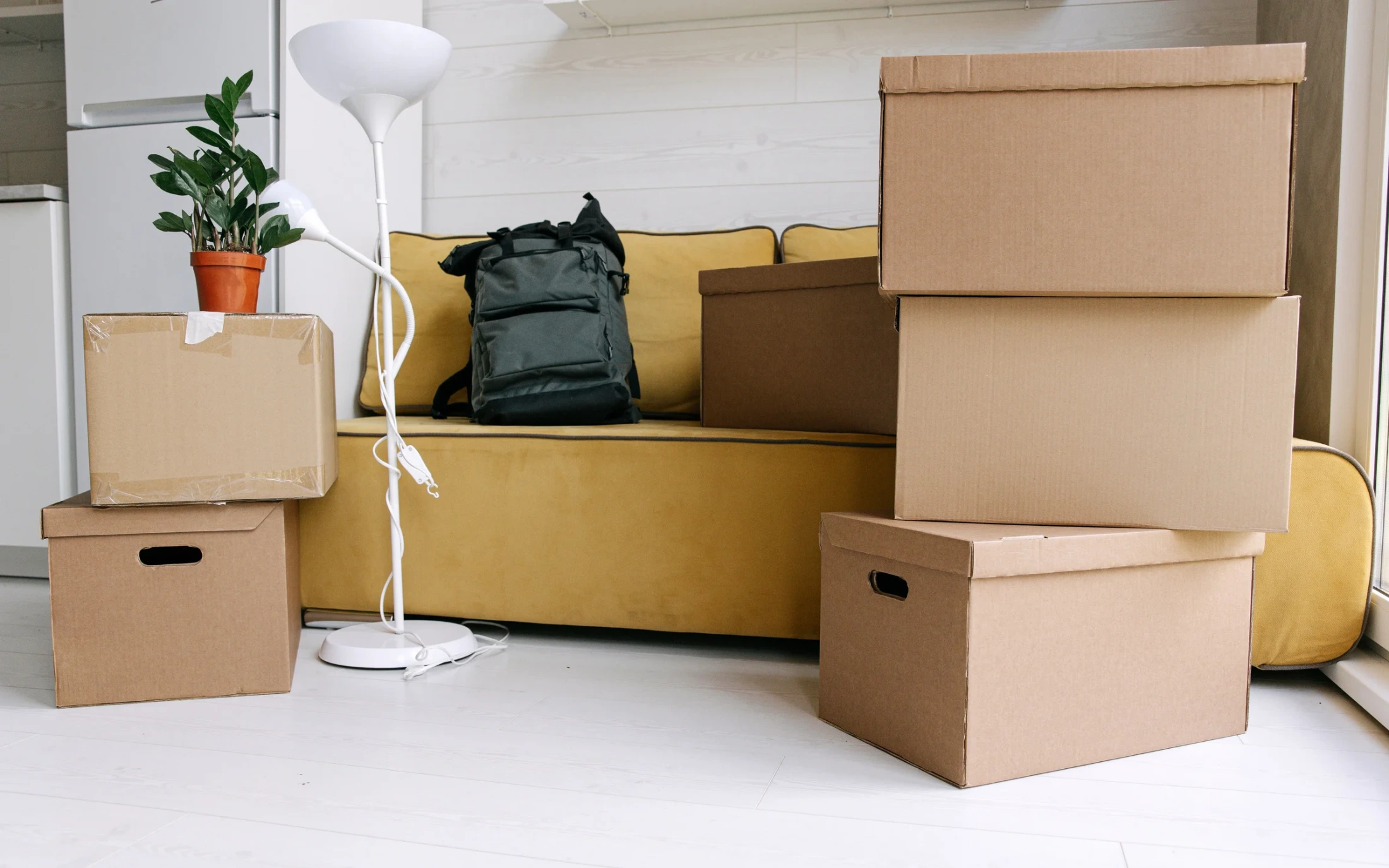
Pack a Moving Day Essentials Bag
Your boxes may not come out right away. You need a bag for the first night. Keep it with you in your car. Do not put it on the truck.
| Item |
Why You Need It |
| Phone and charger |
You will make many calls that day. |
|
Important papers |
IDs and contracts must stay safe. |
| Daily medicine |
You should never be without it. |
| Water and snacks |
Moving is tiring work. |
| Toiletries |
You will want to freshen up at night. |
|
Change of clothes |
The first night should feel easy. |
| Basic tools |
You may need them for beds and shelves. |
|
Toilet paper and soap |
New homes often have none. |
| Pet food |
Your pet needs a normal meal. |
|
Cash and cards |
You may need to tip or pay for parking. |
Common Mistakes to Avoid
Most moving stress comes from small errors. You can avoid them. Read these points before you start.
Waiting too long: Many people start packing a few days before the move. That is too late. Start weeks early so each day has only a small task.
Skipping labels: Unlabeled boxes make unpacking slow. Write the room name and a short list on each box. Use a color for each room. Labels also help the crew place boxes correctly.
Overpacking boxes: Heavy boxes break and hurt backs. Keep each box at a weight you can lift. Put heavy things in small boxes. A box that is too full may burst open.
Not asking about fees: Surprise charges ruin budgets. Ask for a written estimate. Check for stairs and long carry and fuel fees. Ask what happens if the job takes longer than planned. Get every answer in writing.
Packing valuables in the truck: Keep jewelry and cash and key documents with you. Never trust them to a box in the truck. Items like these are hard to replace. Carry them in a bag you can see all day.
Ignoring parking: A truck that cannot park near your door adds time. Time can add cost. Check rules and permits early. Tell neighbors about the move day too so they can help keep the spot clear.
Skipping the final check: Always walk through each room at both homes. Check closets and shelves. Look at the inventory when items arrive. Open the oven and fridge and the washer drum too.
After the Move: Your First Week
The move is not over when the truck leaves. A few steps in the first week help you settle in. Take your time and do not rush.
Unpack the basics first: Start with beds and the kitchen and bathroom. Set up the rooms you use daily. Leave decor for later. Do a little each day so the work does not feel heavy.
Check your items: Compare what arrived with your inventory. Look for damage as you unpack. Do this soon after delivery. Tick off each box on your list as it comes in. Note anything missing right away.
Report problems fast: Take photos of any damage. Contact your mover quickly. Most claims have time limits. Send a short email with the photos and a clear note. Keep a copy of everything you send.
Finish your address changes: Check that mail is arriving at the right place. Update any account you missed. Tell friends and family your new address. Update your driver license and car papers too if needed.
Rest and enjoy: Moving is hard work. Take breaks and eat well. Walk around your new area. Let the new place start to feel like home. A calm first week helps you settle faster.
FAQs About How to Prepare for Residential Moving Services
1. How far in advance should I prepare for residential moving services?
A good rule is six to eight weeks before your move date. Short moves can need less time. Busy seasons fill up fast. Book your mover as early as you can.
2. What is the first step to prepare for a home move?
Set your move date and your budget first. Then start collecting written quotes from movers. After that, begin decluttering. These three steps shape every other task.
3. Should I pack myself or hire packers?
Packing yourself can save money. Hiring packers saves time and effort. Many people mix both. They pack simple items and let the crew handle fragile rooms like the kitchen.
4. What items should I not pack in moving boxes?
Movers usually cannot take flammable items like gas and paint. Keep valuables and key papers with you too. Ask your mover for their exact list before packing day.
5. How do I prepare furniture for movers?
Measure doorways and take apart large pieces if you can. Keep screws in labeled bags. Empty drawers if your mover asks. Clear the path so the crew can work safely.
6. What should I keep with me on moving day?
Keep your phone and charger and IDs and medicine. Add water and snacks and a change of clothes. Carry jewelry and cash yourself. Pack all of this in an essentials bag.
7. How can I lower stress before a move?
Make a timeline and follow it each week. Pack a little every day. Label boxes clearly. Ask for help from friends and family. A clear plan makes the whole move feel lighter.
Conclusion
Now you know how to prepare for residential moving services. The key is to start early and stay organized. Set your budget and pick a good mover. Declutter and pack room by room. Handle paperwork and protect fragile items. Get both homes ready and pack an essentials bag. Each small step adds up to a smooth move. Remember that no move is perfect. Small hiccups will happen. A solid plan helps you handle them with ease.
Do not try to do everything in one weekend. Spread the work over several weeks. Use the checklists in this guide and ask your mover for advice. A well-prepared move saves time and money. It also protects your belongings and gives you peace of mind. Small steps can make the whole process easier. With a clear plan and steady preparation, you can make moving day simpler and less stressful.
Ready to start?
Talk to a trusted team today. Explore our residential moving services and get a free quote. You can also call (833) 627-1754. Our team replies fast and helps you plan every step.