Packing your whole home for a move is a big job. One room may have delicate dishes, another may be filled with clothes, books, and small items that need to be sorted and packed carefully. Then there are electronics, artwork, furniture, and other belongings that need extra protection. Doing everything yourself can take days and leave you with little time for the other parts of your move.
That is where residential moving services with full packing assistance can make a difference. Professional movers can bring the packing supplies, wrap your belongings, pack them into boxes, label each box, and prepare everything for loading. But what does full packing assistance actually include? What will the movers pack, what materials will they use, and how are delicate items handled? This guide covers what full packing assistance includes and what you should know before choosing this service for your next residential move.
What Residential Moving Services Include Full Packing Assistance?
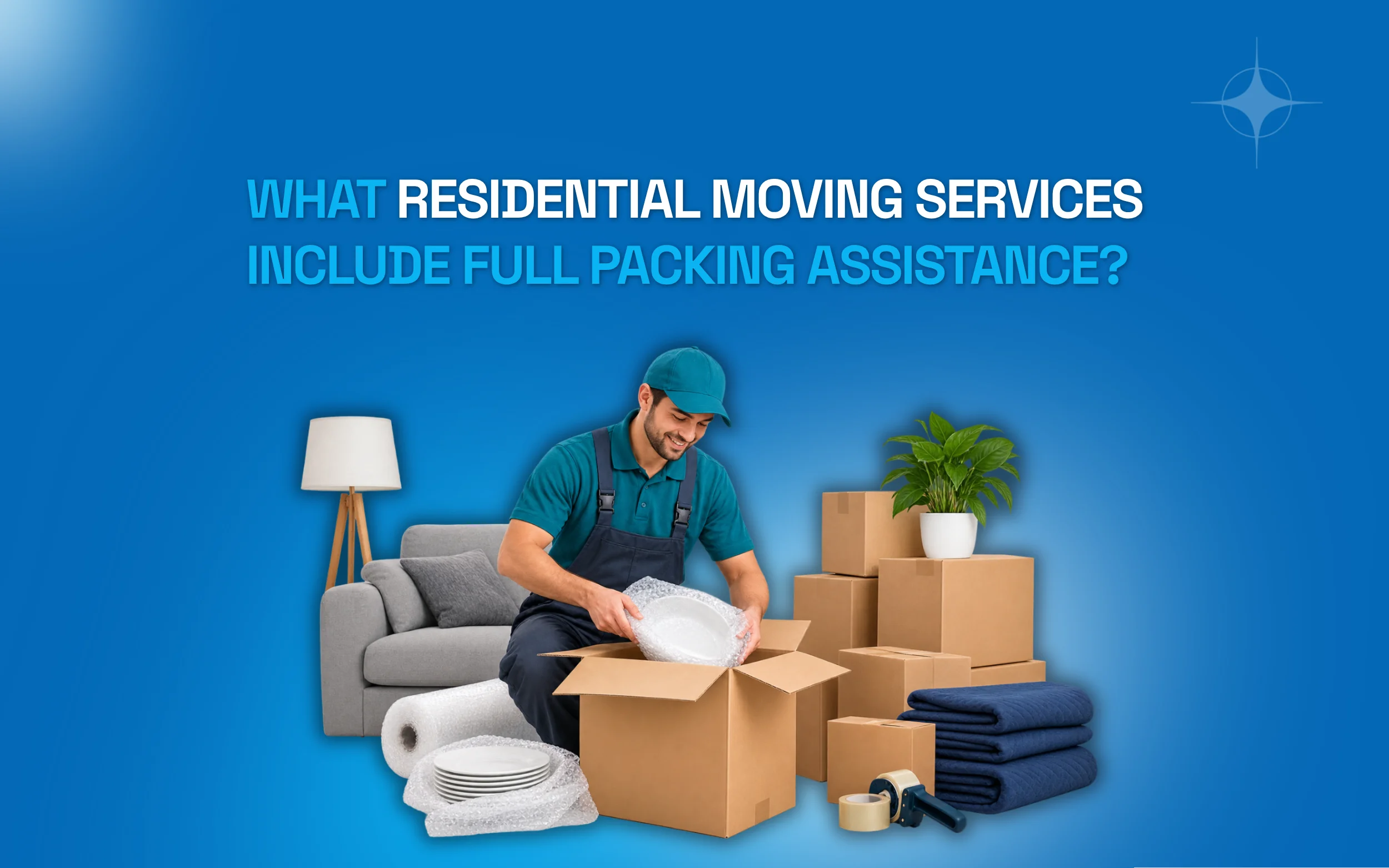
When people ask what residential moving services include full packing assistance, it means a professional team packs your entire home from start to finish. This covers furniture, kitchen items, clothes, electronics, and fragile decor pieces in every room. Movers usually begin with a quick walkthrough to see what needs packing and how much material is required. They bring their own boxes, tape, bubble wrap, and padding so you do not need to shop for supplies.
Furniture gets wrapped in moving blankets, dishes go into padded dish boxes, and electronics are placed in specialized cases. Clothes are hung inside wardrobe boxes so nothing gets wrinkled during transport. Every box is labeled by room and content so unpacking later becomes much easier and faster.
Why Full Packing Assistance Matters for a Stress Free Move
Moving is often ranked among the most stressful life events. Between work, family, and daily errands, finding time to pack an entire house feels nearly impossible. Full packing assistance takes this burden off your shoulders completely.
Professional packers work quickly because they do this every day. They know how to protect fragile items and use space efficiently inside boxes. This reduces the risk of damage during transport and saves you from buying extra materials.
Choosing residential moving services with full packing assistance also protects your back and your schedule. You avoid heavy lifting and long nights spent wrapping dishes. Instead, you can focus on saying goodbye to your old home.
Benefits of Full Packing Assistance for Busy Families
Families juggling jobs, school, and daily routines rarely have spare hours for packing. Full packing assistance solves this problem directly. Here are the biggest benefits worth knowing.
Saves valuable time: Professional packers finish in hours what could take a family several days, freeing up time for work and other moving tasks.
Reduces physical strain: Lifting heavy boxes and furniture can cause injury, so having trained movers handle this work protects your back and joints.
Lowers damage risk: Trained packers know proper wrapping techniques, which means fewer broken dishes and scratched furniture during the move.
Keeps kids and pets safer: With movers handling boxes and materials, your home stays less cluttered, reducing tripping hazards for children and pets.
What Does Full Packing Assistance Actually Cover?
Many people assume packing assistance only means a few boxes here and there. In reality, it covers much more than that. Here is what you can expect from a complete packing service.
Furniture wrapping and disassembly: Movers wrap sofas, beds, and tables in protective covers. Large furniture pieces get disassembled when needed to fit through doors and into the truck.
Kitchen and fragile item packing: Dishes, glasses, and appliances are wrapped individually. Movers use bubble wrap and dividers to prevent breakage during the entire process.
Electronics packing: TVs, computers, and gaming systems are packed in specialized boxes. This protects sensitive screens and wiring from bumps during transit.
Clothing and closet items: Wardrobe boxes let you move clothes on hangers without folding. This saves time and keeps clothes wrinkle-free.
Labeling and inventory: Every box gets labeled by room and content type, which makes unpacking much faster once you arrive at your new home.
Packing Materials Professional Movers Use
Quality materials make a big difference in how safely your items travel. Below is a quick look at common packing supplies used during full packing service.
|
Material |
Purpose |
|
Bubble wrap |
Protects glassware, dishes, and fragile decor items |
| Packing paper |
Fills space and prevents shifting inside boxes |
|
Moving blankets |
Wraps furniture to prevent scratches and dents |
| Wardrobe boxes |
Keeps clothes on hangers during transport |
|
Dish pack boxes |
Extra-thick boxes designed for kitchen items |
| Packing tape |
Secures boxes so they stay closed during loading |
Using the right materials reduces damage claims and gives you peace of mind throughout the moving process.
Full Packing vs Partial Packing vs Self Packing
Choosing the right packing option depends on your budget, time, and comfort level. Here is a simple comparison to help you decide.
|
Packing Type |
Who Packs | Best For |
| Full Packing | Movers pack everything |
Busy families with little time |
|
Partial Packing |
Movers pack fragile or heavy items only | People who want to save some cost |
| Self Packing | You pack everything yourself |
Those with time and a smaller budget |
Full packing costs more upfront, but it saves time and reduces stress. Partial packing works well if you already packed small items yourself.

Common Mistakes People Make When Packing Without Help
Packing alone often leads to avoidable problems. Knowing these mistakes ahead of time can save you money and frustration on moving day.
Using weak boxes: Cheap or reused boxes often collapse under weight, leading to damaged items and difficult loading for the moving team.
Overpacking boxes: Cramming too many items into one box makes it heavy and increases the chance of the box breaking during transport.
Skipping labels: Unlabeled boxes turn unpacking into a guessing game, wasting hours searching for basic items in your new home.
Forgetting fragile padding: Items without proper cushioning are far more likely to break, especially glassware and electronics during long moves.
How Movers Handle Fragile and Specialty Items
Fragile items need extra care that regular boxes cannot provide. Professional movers follow specific steps to protect these belongings during the move.
Glassware and dishes: Each piece gets wrapped separately in packing paper. Dividers inside boxes keep items from touching and clinking against each other.
Artwork and mirrors: Flat items are packed in specialized picture boxes with corner protectors, which prevent cracks and scratches on frames and glass.
Musical instruments: Pianos and guitars require custom padding and sometimes crating. Movers with experience know the correct lifting angles and techniques.
Antiques and heirlooms: These items often need custom crating for maximum protection. Movers assess each piece individually before choosing a method.
What to Expect on Packing Day
Packing day usually starts early with a short briefing between you and the lead packer. They confirm which rooms need packing and any special instructions you have shared in advance.
Once work begins, the team splits tasks across rooms to move faster. One group may handle the kitchen while another wraps furniture in the living room. This teamwork approach keeps the process organized and efficient.
You do not need to stay in every room during packing. Many homeowners use this time to handle other errands or say goodbye to neighbors. By the end of the day, most homes are fully packed and ready for loading the next morning.
How Long Does Full Packing Assistance Take?
The time needed for full packing depends on your home size and the number of items you own. A one-bedroom apartment usually takes a single team about four to six hours to pack completely.
Larger homes with three or more bedrooms can take a full day or sometimes two days. Movers often send a team of two to four people depending on the workload. This helps speed up the process while maintaining careful handling. If you are on a tight schedule, ask your moving company about their average packing timeline. Planning ahead by a few weeks always makes the process smoother and less rushed.
Cost Factors for Full Packing Assistance
Pricing for full packing service depends on several factors. Understanding these helps you budget correctly and avoid surprises on moving day.
Home size: Larger homes require more materials and more labor hours, which increases the overall packing cost compared to smaller apartments or studios.
Number of fragile items: Homes with more glassware, artwork, or electronics need extra padding and time, which can raise the total packing price.
Distance of the move: Long-distance moves sometimes require sturdier packing materials since items travel longer and face more handling along the way.
Timing and season: Peak moving season during summer months often comes with higher rates due to increased demand across the industry.
How to Choose the Right Moving Company for Packing Services
Not every moving company offers the same quality of packing service. A little research before booking can save you from a bad experience later.
Check reviews and ratings: Look for companies with consistent positive feedback about their packing quality, especially reviews mentioning fragile item handling.
Ask about insurance coverage: A reliable company should clearly explain what happens if an item gets damaged during their packing process.
Request a detailed quote: Get pricing broken down by service so you understand exactly what full packing assistance includes for your specific home.
Confirm team experience: Ask how long their packing staff has worked in the industry, since experience often means fewer mistakes and faster work.
Additional Services That Pair Well With Full Packing Assistance
Full packing is often just one part of a larger moving plan. Many companies offer add on services that make the entire move even smoother. Unpacking assistance helps you settle into your new home faster by having movers place items directly where you want them. Storage solutions are useful if there is a gap between move out and move in dates. Some companies also offer furniture assembly, saving you the hassle of reading instruction manuals after a long moving day.
Why Choose Quick Ship Van Lines for Full Packing Assistance
Quick Ship Van Lines offers trained packing teams who understand how to protect your belongings from start to finish. Their residential moving services include full packing assistance designed to reduce your stress and save your time. The team uses quality materials and proven techniques for fragile and bulky items alike. Whether you are moving across town or across the state, having reliable support makes the entire experience easier and far less overwhelming.
Final Thoughts
Understanding what residential moving services include full packing assistance helps you plan a smoother and less stressful move. From furniture wrapping to fragile item protection, professional packers handle the heavy lifting so you do not have to worry about it.
Whether you choose full packing or a partial option, knowing your choices makes decision making easier. The right moving company will guide you through the process and answer any questions along the way. A well packed home means fewer surprises and a safer journey to your new address. If you are planning a move soon, consider reaching out to a trusted moving company for a detailed quote. Ask about their packing process, materials, and timeline before booking. This small step can save you time, money, and unnecessary stress later.
Frequently Asked Questions
What does full packing assistance mean in a residential move?
Full packing assistance means movers pack every item in your home themselves. This includes furniture, kitchen items, clothes, and fragile decor pieces.
Is full packing assistance worth the extra cost?
Yes, for busy families or people with limited time, full packing assistance saves hours of work and reduces the risk of damage during transport.
How much does full packing assistance usually cost?
Cost varies based on home size and item count. It is best to request a quote directly from your chosen moving company for accuracy.
Can I choose which rooms movers pack for me?
Yes, most companies offer partial packing where you select specific rooms or items while packing the rest yourself.
Do movers bring their own packing materials?
Yes, professional movers bring boxes, tape, bubble wrap, and other supplies needed to pack your home completely and safely.
How far in advance should I book packing services?
It is recommended to book at least two to three weeks ahead, especially during summer when demand for movers is higher.
Are fragile items insured during full packing service?
Most reputable moving companies offer some level of coverage for items they pack. Always confirm insurance details before your move begins.
If you want to know about What Are The Best Residential Moving Services In Dallas? In that case, you can find detailed information through our website.